 English
 Deutsch
 Français
 Nederlands
 Español
SHOP AYAHUASCA RETREATS BLOG
Big Pharma, Ibogaine Trials, and Medicaid: What the Psychedelic Industry Shift Means for Retreat-Seekers

Cleo Adler
September 2, 2026
Your ultimate guide to discover transforming ayahuasca and psychedelic experiences. Dive into serene destinations and elevate your consciousness to unparalled heights.
Discover Ayahuasca & Psychedelic Retreats NowSearch for ayahuasca & psychedelic retreats
Discover retreats, trainings, and holidays from all over the world
Something strange is happening at the top of Google when you search for the word psychedelic. It's not a shaman. It's not a retreat center in Iquitos. It's a pharmaceutical ad. Specifically, more often than not lately, it's an ad for Spravato — Johnson & Johnson's esketamine nasal spray. For a movement that not long ago existed mostly in underground ceremonies and academic footnotes, this is a genuinely weird moment.
If you're someone quietly researching whether an ayahuasca or psychedelic retreat might help you with depression, addiction, or a stuck patch of your life, the corporate side of this world can feel very far away from what you're actually looking for. But it isn't. What happens in boardrooms and clinical trials shapes what's legal, what's affordable, and eventually what shows up in your insurance paperwork. Below, I'll walk through what's actually going on right now in psychedelic drug development and policy — and, more importantly, what any of it means if you're weighing a retreat.
Why Is Pharma Suddenly Buying Ads for the Word “Psychedelic”?
Here's the short version: large drugmakers have noticed that people are typing words like psychedelic, ketamine therapy, and even specific compound codes like COMP360 and DT120 into Google. Those searches used to lead to hippie forums and retreat blogs. Now, increasingly, they lead to a landing page for Spravato, or an at-home ketamine service, or a competing antidepressant like Rexulti.
Compass Pathways' COMP360 is a synthetic psilocybin candidate. Definium Therapeutics is running LSD trials for generalized anxiety disorder. When someone Googles those product names, they're already deep in the funnel — probably a patient, a caregiver, or a curious clinician. Bidding on those keywords is a smart, cold-blooded move by pharmaceutical marketers. It also tells you where they think the puck is going.
The subtext for a retreat-seeker is worth spelling out. Big pharma is now treating the psychedelic space as a real market. That means more money flowing in, more legitimacy, and eventually more competition — but also more medicalization. Whether you find that reassuring or unsettling probably depends on why you're drawn to plant medicine in the first place.
ARPA-H's Ibogaine Funding: A Big Deal, Quietly
Ibogaine — the alkaloid from the West African iboga root — has spent decades as the whispered secret of opioid recovery. People with heroin or fentanyl addictions travel to Mexico, Costa Rica, or Portugal, undergo a grueling multi-hour experience, and often come back describing it as the thing that finally broke the loop. The catch: ibogaine can be cardiotoxic, and until recently, U.S. researchers had almost no institutional support to study it properly.
That's changing. ARPA-H — the federal agency modeled on DARPA but focused on health — has opened a funding opportunity called ASCENT-IBO, aimed at bankrolling ibogaine trials. This isn't a small grant program. ARPA-H is the closest thing the U.S. has to a moonshot lab for medicine. When it puts its name on a compound, other funders and universities follow.
There's also been movement around the University of Miami transferring an ibogaine Investigational New Drug application to the federal government, with the current administration publicly acknowledging it. Whatever your politics, the practical effect is that ibogaine is being pulled out of the shadows and into a real regulatory pathway. If you or someone you love has been researching ibogaine for addiction, this matters. It means clinical evidence — the kind that eventually persuades insurers and skeptical family members — is finally on the way.

Could Medicaid Actually Cover Psychedelic Therapy?
Here's a sentence I didn't expect to write this year: a serious policy report just outlined a path to Medicaid coverage of psychedelic therapies. The Center for Health Care Strategies (CHCS) laid out what it would take — provider credentialing, billing codes, treatment protocols, safety guardrails — for state Medicaid programs to reimburse psychedelic-assisted care.
Medicaid coverage would be transformative for a very specific reason: right now, everything about legitimate psychedelic therapy is priced for the well-off. A single ketamine session at a legal clinic runs several hundred dollars. A ceremonial ayahuasca retreat in Peru, all in with flights, often lands between $2,500 and $6,000. Ibogaine treatment in a medically supervised setting can hit $10,000 or more. If you're working class, uninsured, or on public assistance — exactly the demographic most likely to be dealing with untreated addiction and trauma — those numbers may as well be theoretical.
Insurance coverage would flip that. It would also, inevitably, change what "psychedelic therapy" looks like. Standardized dosing. Two-hour sessions instead of all-night ceremonies. No icaros, no shaman, no jungle. A clinical room somewhere in Cleveland. Whether that's progress or loss depends on what you were hoping to find.
What All of This Means If You're Considering a Retreat
Zoom out. There are essentially three lanes forming for someone who wants access to psychedelics for healing:
- The medical lane: Ketamine clinics now, Spravato through insurance, and — probably within a few years — FDA-approved MDMA and psilocybin protocols. Clinical, expensive without insurance, safe on paper, and mostly indication-specific (PTSD, treatment-resistant depression).
- The retreat lane: Traditional and semi-traditional plant medicine work — ayahuasca in the Amazon or Costa Rica, San Pedro in the Andes, psilocybin in the Netherlands or Jamaica, ibogaine in Mexico or Portugal. Ceremonial context, longer immersion, less regulation, more variability in quality.
- The gray lane: At-home ketamine by mail, underground guides, decriminalized cities where you can find things but the standards are wildly uneven.
Each lane has its trade-offs. The medical lane will eventually be the cheapest and safest for the average person, but it's still years from truly opening up. The retreat lane is available now, offers the traditional container that many people intuitively want, but requires more due diligence from you. The gray lane can be a disaster or a lifeline, and you generally don't know which until later.

How to Read the Retreat Landscape Right Now
If you're leaning toward a retreat rather than waiting years for the medical system to catch up, a few honest observations from watching this space closely:
- Legitimate retreats have gotten better, and worse retreats have gotten glossier. The visual language of trust — clean websites, testimonial videos, curated Instagram — is now available to anyone with a credit card. Marketing quality is not evidence of ceremony quality.
- Screening is the single biggest safety marker. A serious retreat asks about your medications (SSRIs and ayahuasca don't mix, for example), your cardiovascular history (crucial for ibogaine), your mental health history, and your reasons for coming. If they don't ask, walk away.
- Integration is more important than the ceremony itself. The insight during a psychedelic experience is the raw material. Whether it becomes actual change depends on what you do in the weeks and months after. Ask what integration support looks like before you book.
- Cost is not a proxy for quality. Some of the most abusive retreats charge premium prices. Some of the most grounded ones are modestly priced. Ask about facilitator lineage, medical staff on-site, and what happens if the ceremony goes sideways.
- Match the medicine to the question. Ayahuasca is often chosen for depression, trauma, and the sense of being spiritually stuck. Ibogaine is specifically strong for opioid addiction. Psilocybin tends to be gentler and more accessible for newer participants. San Pedro is heart-opening and long — a whole different rhythm.
Master Plants Aren't Products (Yet)
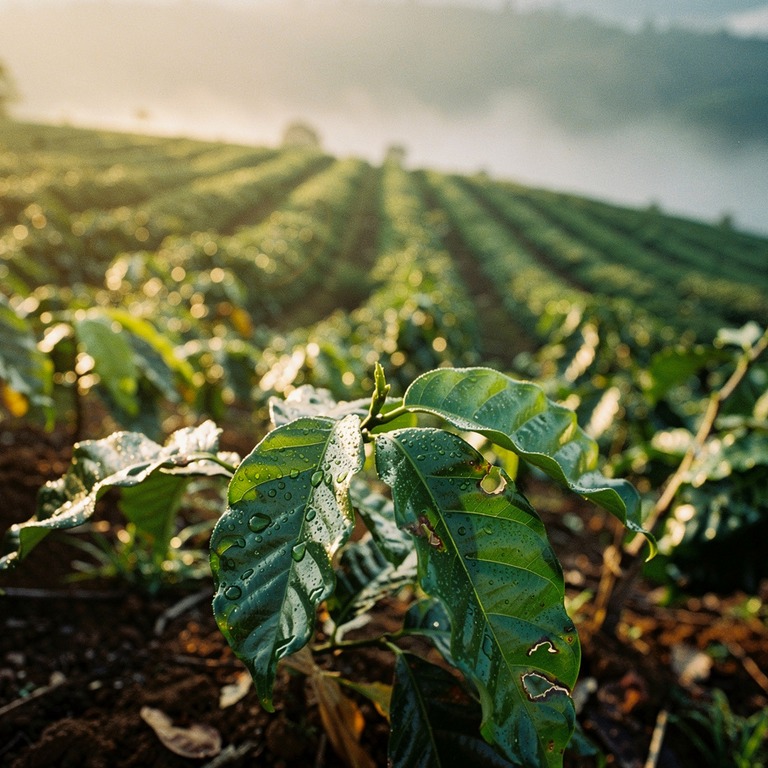
One thing that's easy to lose in the flurry of trial readouts and Medicaid reports: the plants themselves. Ayahuasca, iboga, San Pedro, and psilocybin mushrooms have been used in ceremonial contexts for centuries — in some cases millennia — under the guidance of people who understand them as teachers, not medications. Indigenous traditions call them master plants for a reason.
Pharma will extract, isolate, and standardize. That's what pharma does. There's real value in it — a controlled dose in a controlled setting saves lives that the retreat model can't reach. But the ceremony holds something the clinic doesn't: a container built around meaning, community, song, and time. When you sit in a maloca at three in the morning and everything you've been avoiding for a decade rises up to be looked at, the setting matters. The people around you matter. The tradition matters.
Neither approach is wrong. They're answering different questions. The medical model asks: how do we reduce symptoms of a diagnosed condition? The plant-medicine tradition asks: how do we help this person meet themselves? Both are useful. If you're deciding between them, start with which question is actually yours.
What to Watch Next
A few things worth keeping an eye on if this whole space interests you:
- How ibogaine trials progress under ARPA-H funding, and whether the trials confirm what underground clinics have been reporting for years about opioid interruption.
- Whether any state Medicaid program actually pilots psychedelic coverage — and if so, which compound and which indication.
- Where at-home ketamine ends up regulated. Companies keep launching and shuttering (Innerwell is the latest to close). Expect more consolidation.
- How retreat centers respond to the growing medical infrastructure. Some will professionalize. Some will double down on tradition. A few will do both well.
For readers who want to take this further, a curated range of ayahuasca, ibogaine, and psilocybin retreats can be browsed on our marketplace here. Whichever lane you eventually choose, the most useful thing you can do right now is slow down, ask specific questions, and trust your own read on the people who'd be holding space for you. The industry is changing quickly around this work. The work itself — meeting yourself honestly, with support — hasn't changed at all.

Craving More Stories?
Join our ShopAyahuascaRetreats newsletter for the latest updates on thrilling
destinations and inspirational tales, delivered straight to your inbox!
We value your privacy. Your email address will never be shared or published.