 English
 Deutsch
 Français
 Nederlands
 Español
SHOP AYAHUASCA RETREATS BLOG
Ayahuasca vs. Psilocybin Mushrooms: Which Plant Medicine Fits Your Healing?
Luca Reeves
September 12, 2026
Your ultimate guide to discover transforming ayahuasca and psychedelic experiences. Dive into serene destinations and elevate your consciousness to unparalled heights.
Discover Ayahuasca & Psychedelic Retreats NowSearch for ayahuasca & psychedelic retreats
Discover retreats, trainings, and holidays from all over the world
Ask anyone who’s spent time in the plant-medicine world which is “better” — ayahuasca or psilocybin mushrooms — and you’ll get a shrug, followed by a story. That’s because the honest answer is: it depends on you, what you’re carrying, and what you’re hoping to shift. Both are powerful. Both have thousands of years of ceremonial use behind them. And both have helped people crack open patterns around addiction, depression, grief, and trauma that talk therapy alone couldn’t budge.
If you’re actively researching a psychedelic retreat and trying to figure out which door to walk through, this is for you. No mysticism-as-marketing. Just what these two master plants actually do, how the experiences differ in practice, and how to think about which might be the better fit for where you are right now.
Two Master Plants, Two Very Different Personalities
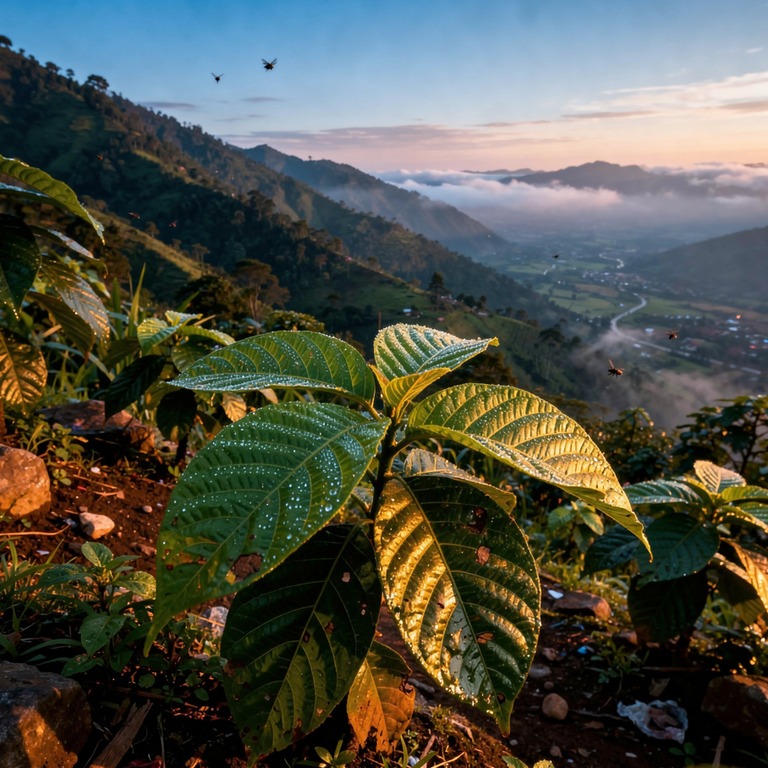
Ayahuasca is a brew — usually a slow simmer of the Banisteriopsis caapi vine with the DMT-containing chacruna leaf. It comes out of the Amazon, carried through centuries of practice by Shipibo, Shuar, and other indigenous lineages, plus the more recent Brazilian churches like Santo Daime and União do Vegetal. You drink it in ceremony, typically at night, guided by someone who has trained for years — sometimes decades — to hold that space.
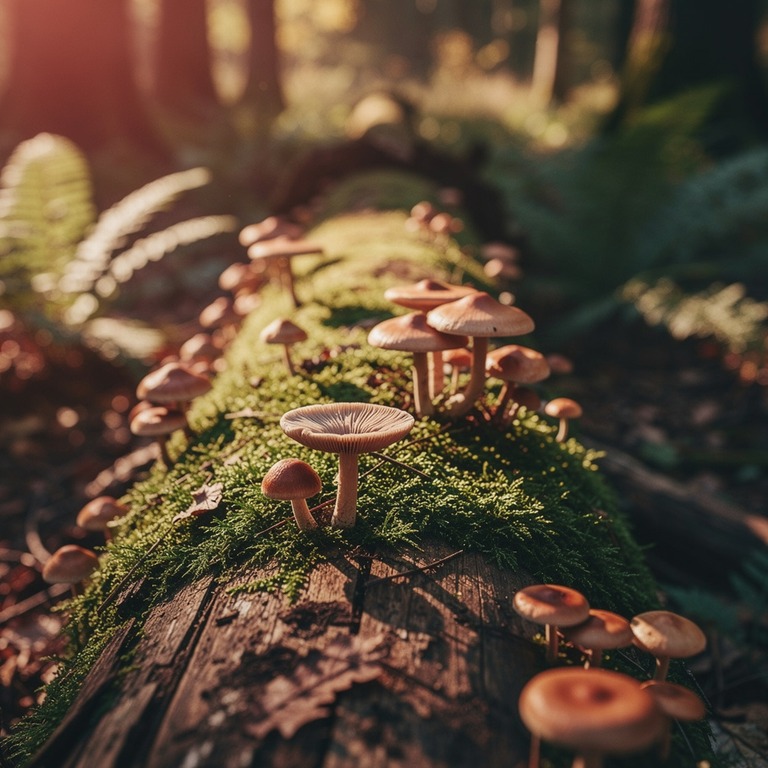
Psilocybin mushrooms grow on almost every continent. Their ceremonial use runs deep in Mazatec traditions in Oaxaca, and traces of ritual mushroom use appear across ancient Europe, North Africa, and beyond. In a modern retreat setting you’ll usually take them as dried mushrooms, a tea, or increasingly as measured truffles at legal centers in the Netherlands or Jamaica.
The plants have distinct personalities, and long-time facilitators talk about them almost like people. Ayahuasca is often described as strict, feminine, exacting — a grandmother who will show you exactly what you came to see, whether you asked politely or not. Mushrooms tend to feel more playful, curious, sometimes mischievous. That doesn’t mean they’re gentler. It means they teach differently.
What the Experience Actually Feels Like
Ayahuasca ceremonies run long. Plan for four to six hours in the dark, sometimes with icaros (medicine songs) being sung by the facilitator throughout. The visuals can be extraordinarily detailed — geometric, architectural, alive. Purging is part of the deal. Vomiting, crying, occasional diarrhea, shaking — it isn’t a side effect the tradition apologizes for. It’s considered part of the cleaning. Most people who go through it describe the experience as physically and emotionally demanding in a way that photos and YouTube videos can’t really convey.
A psilocybin journey at a moderate-to-high dose typically runs four to six hours as well, but the arc feels different. There’s an onset of visual softening and emotional openness, a peak that can range from euphoric to confrontational, then a long tail where insights settle. Purging is much less common. Some people cry, some laugh, some just lie there staring at the ceiling as their inner world reorganizes itself. Nature-based settings tend to amplify the sense of connection mushrooms are famous for.
Here’s a rough side-by-side of what participants commonly report:
- Ayahuasca: longer sessions run over multiple nights, intense physical release, often teaching-style visions, strong sense of being “worked on”, meaningful ancestral or archetypal encounters.
- Psilocybin: shorter and more contained per session, emotional catharsis without heavy purging, expansive nature-connection, playful but occasionally sharp lessons, easier to describe afterwards.
Which One for Addiction, Depression, or Trauma?
The research on both is genuinely encouraging, though early. Psilocybin has the bigger stack of clinical trials right now — treatment-resistant depression, end-of-life anxiety, tobacco and alcohol use disorder. The Johns Hopkins and Imperial College work has moved the needle on how mainstream medicine views it. Ayahuasca has fewer controlled studies but a growing body of observational research suggesting real benefit for depression, PTSD, and substance dependence, especially when used in a well-held ceremonial context.
For addiction specifically, both have credible track records. Ayahuasca’s reputation in recovery circles is tied partly to the intensity of the experience — many people describe seeing, in visceral detail, exactly what their substance use is costing them and everyone they love. It doesn’t leave much room for denial. Ibogaine gets more headlines for opioid dependence, but ayahuasca has quietly helped countless people step out of alcohol and cocaine cycles. Mushrooms, in the Hopkins smoking-cessation work, showed jaw-dropping quit rates. They seem to loosen the grip of habit by dissolving the story you tell yourself about who you are and what you need.
For depression, mushrooms may be the slightly easier entry point. The experience is more contained, the retreat infrastructure in legal jurisdictions is more mature, and the physical toll is lighter. For deep-seated trauma — especially the kind that lives in the body and won’t respond to insight alone — ayahuasca’s longer, more physical process often reaches places mushrooms don’t. That said, plenty of trauma survivors have done extraordinary work with psilocybin. There’s no universal rule.
Legality, Safety, and the Boring-But-Critical Practicalities
Ayahuasca is not legal to consume recreationally in most countries, including the United States. There are narrow religious exemptions (the UDV won a 2006 Supreme Court case), but the mainstream path for most seekers is traveling to Peru, Costa Rica, Ecuador, Colombia, or Brazil where retreats operate openly. Psilocybin sits in a shifting patchwork: legal in a therapeutic framework in Oregon, decriminalized in several U.S. cities, legal in truffle form in the Netherlands, unregulated in Jamaica, part of a licensed access model in Australia. In 2026 the map keeps redrawing itself.
Both medicines carry real risks and both are safer when you do the homework. Key things to sort out before booking anything:
- Medication interactions. Ayahuasca contains MAOIs, which interact dangerously with SSRIs, SNRIs, tramadol, and a long list of other drugs. A responsible retreat will screen for this and require a taper period. If they don’t ask, walk away.
- Mental-health history. A personal or first-degree family history of psychosis, bipolar I, or schizophrenia is a genuine contraindication for both medicines. Not a “probably fine, we’ll see” — a hard stop.
- Cardiac considerations. Both can raise heart rate and blood pressure. Uncontrolled hypertension and certain cardiac conditions need medical clearance.
- Facilitator lineage and training. Ask specifically who is holding the space, how long they’ve trained, and with whom. Vague answers are a red flag.
- Integration support. The experience is maybe 20% of the work. What you do in the weeks after — journaling, therapy, community, lifestyle changes — is where the healing actually gets consolidated.
How to Think About Cost, Time, and Setting
Ayahuasca retreats in the Amazon typically run 7 to 12 days and cost anywhere from around $1,200 for a modest local center to $4,000+ for a high-end program with private accommodations, dieta plants, and integration counseling. Psilocybin retreats — most reputable ones being in Jamaica, the Netherlands, or increasingly Portugal — tend to run 4 to 7 days and sit in a similar mid-range price bracket, though the shorter length can make them cheaper overall.
Time-off-work matters too. A proper ayahuasca dieta asks you to give up salt, sugar, alcohol, pork, spicy food, and sexual activity for a couple of weeks before and after. Not because the plant is punishing you, but because a quieter body and mind hear the medicine more clearly. Mushroom retreats generally ask for a lighter preparatory protocol, though a few days of clean eating and no alcohol before is standard.
Setting matters more than most first-timers realize. The jungle changes you before the brew does — the sounds, the heat, the sheer aliveness of the place is part of the medicine. Mushroom retreats in a coastal villa or a European countryside center offer a different container: gentler, more familiar to Western nervous systems, easier to return to “normal” from. Neither is better. They’re answering different questions.
So — Ayahuasca or Mushrooms?
If you’re drawn to the ceremonial depth, willing to travel, and ready for something that will meet you at full volume, ayahuasca is probably calling. If you want something more contained, easier to access legally, and slightly less physically demanding as a first psychedelic experience, mushrooms are a strong starting point. Many people end up doing both over time — they’re not competitors, they’re different teachers.
Whichever direction you lean, take your time choosing where you go. Read the facilitator’s background carefully. Talk to past participants. Trust discomfort with a place more than you trust its marketing. For readers who want to compare specific options across both traditions, a curated selection of ayahuasca and psilocybin retreats can be browsed on our marketplace here. Sit with the choice for a few weeks — the right retreat usually feels obvious once you stop trying to force it.

Craving More Stories?
Join our ShopAyahuascaRetreats newsletter for the latest updates on thrilling
destinations and inspirational tales, delivered straight to your inbox!
We value your privacy. Your email address will never be shared or published.