 English
 Deutsch
 Français
 Nederlands
 Español
SHOP AYAHUASCA RETREATS BLOG
Adult ADHD, Plant Medicine, and the Search for Real Answers

Ezra Caldwell
August 24, 2026
Your ultimate guide to discover transforming ayahuasca and psychedelic experiences. Dive into serene destinations and elevate your consciousness to unparalled heights.
Discover Ayahuasca & Psychedelic Retreats NowSearch for ayahuasca & psychedelic retreats
Discover retreats, trainings, and holidays from all over the world
She was 43 when she finally got the diagnosis. Two kids, a senior role at a design agency, a marriage held together with sticky notes and caffeine. On paper — thriving. In reality — running on fumes for twenty years and quietly wondering why everyone else seemed to find life so much less exhausting. When she landed in the Peruvian jungle for her first ayahuasca ceremony, she wasn't looking for a spiritual awakening. She was looking for a break in the pattern.
I meet people like her at almost every retreat I cover. The high-functioning burnout crowd. The ones who've read every book, tried every therapist, and are now cautiously exploring plant medicine because talk therapy alone hasn't touched whatever it is that's underneath. And more often than you'd expect, what's underneath is undiagnosed or misunderstood ADHD — one of the most missed neurodivergent profiles in adults, especially in women.
The Grown-Up Face of ADHD Nobody Warns You About
Forget the kid bouncing off the classroom walls. Adult ADHD rarely looks like that. It looks like the executive who can prepare a flawless quarterly presentation in a single 14-hour sprint but can't seem to answer a two-line email for six weeks. It looks like the mother who runs the school PTA yet cries in the car because she forgot, again, to pay the electricity bill. It looks like the guy who's read every book on productivity and still can't start the one task he actually needs to do.
What's really going on is a nervous system wired for interest, novelty, urgency, and personal meaning — not for the flat drudgery of neurotypical productivity. ADHD adults often describe cycles that feel almost bipolar in their intensity: weeks of hyperfocus so absorbing that food and sleep become optional, followed by crashes so heavy that basic hygiene feels ambitious. Time itself behaves strangely — an hour and five hours can feel identical, and the future stays theoretical until it's suddenly on top of you.
Layer on emotional dysregulation — the sting of criticism that lingers for days, the rush of frustration that arrives before you can name it, the sensitivity to perceived rejection — and you get a person who is often labeled dramatic, lazy, unreliable, or too much. When in truth, they've been running a marathon on a track designed for someone with a different set of legs.
Why Women Get Missed for Decades
Here's a pattern I've watched play out again and again at retreats. A woman in her forties or fifties comes in for ayahuasca, mushrooms, or an integration circle. Somewhere on day three, she says something like, I only realized last year that I've had ADHD my whole life. The response from around the fire is almost always: me too.
The reasons are well documented at this point. Girls with predominantly inattentive presentations don't disrupt classrooms — they doodle, daydream, ace the subjects they love and quietly fail the ones they don't. They're called sensitive, scattered, or lazy, when in fact they're often smart enough to build elaborate compensations. Reminder systems. All-night crams. Perfectionism that hides the chaos underneath. Social mimicry so refined that colleagues assume they've got it together.
Then something breaks the scaffolding. A promotion. A baby. Perimenopause. A pandemic that removes the external structure of an office. Suddenly the systems that took a lifetime to build stop holding, and the woman who did everything right finds herself unable to answer a text message. That collapse is what tends to bring people to plant-medicine retreats — not the ADHD itself, but the shame, the grief, and the exhaustion of decades of masking.
Can Psychedelics and Master Plants Actually Help With ADHD?
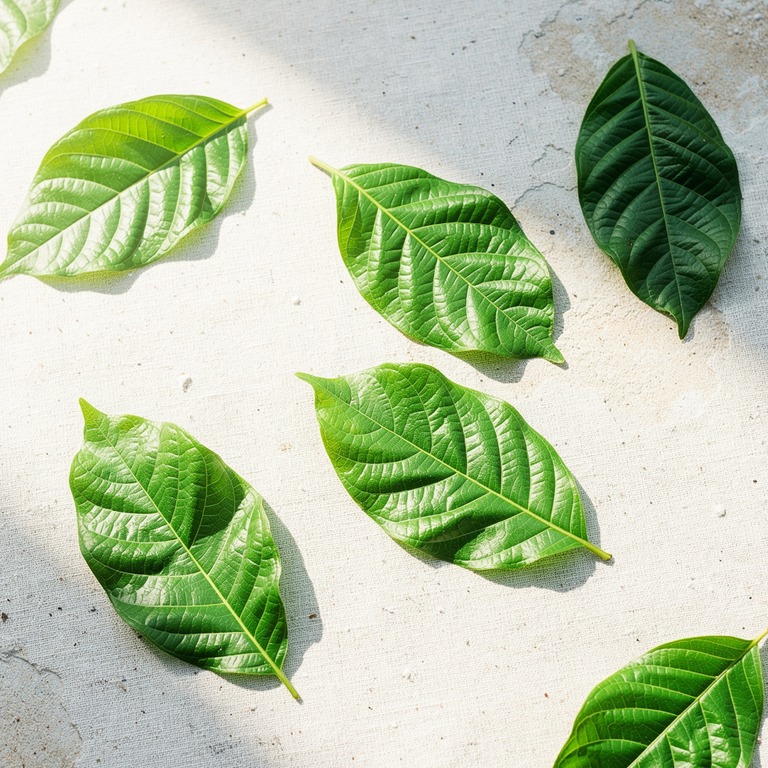
Short answer: it depends, and anyone promising more than that is selling something. Longer answer: what plant medicine and psychedelics tend to do well is address the layers on top of ADHD — the trauma, the shame stories, the entrenched self-hatred, the addictive patterns that so often develop as coping mechanisms. They're not a cure for a neurotype. But they can loosen the grip of the beliefs a person has built around that neurotype over thirty or forty years.
Ayahuasca in particular seems to work on the emotional-regulation piece for a lot of people. The ceremony space forces a kind of surrender that ADHD brains rarely allow themselves. You can't outrun the medicine. You can't optimize it. You can't hyperfocus your way through it. For someone who has spent their whole life sprinting to compensate, that enforced stillness — however uncomfortable — is often where the real material surfaces.
Master plants like San Pedro, meanwhile, tend to move slower and feel more integrative. Some retreats now offer dieta-style work with plants that indigenous traditions describe as teachers for focus, patience, and steadiness — attributes the ADHD nervous system rarely gets to inhabit. And on the recovery side, ibogaine has drawn attention from adults whose ADHD tipped into stimulant or alcohol addiction, though it's a serious medicine that demands serious medical screening.
What Plant Medicine Won't Do
- It won't fix your executive function. If you couldn't start your taxes last month, you probably still won't be able to start them next month.
- It won't replace stimulant medication if that's what your body genuinely needs. Many ADHD adults do best with a combination of approaches — medical, therapeutic, contemplative, and sometimes ceremonial.
- It won't make ADHD go away, because ADHD isn't a wound to heal — it's a neurotype to work with.
- It won't do the integration for you. The insight is the easy part. The rewiring happens over months of unglamorous daily practice afterward.
Choosing a Retreat If You Suspect (or Know) You Have ADHD
This is where I get protective of readers. Not every retreat is set up to hold neurodivergent participants well, and ADHD brains in particular need certain conditions to actually benefit from a ceremonial container. Here's what I'd look for.
Facilitators who understand neurodivergence. Ask directly. If the answer is a vague we welcome everyone, keep looking. You want people who can talk specifically about how they hold participants who dissociate, who struggle with sensory overload, who have rejection sensitivity, or who might spiral into shame during a difficult journey.
A structure with enough scaffolding. ADHD adults tend to do badly in retreats that expect self-directed reflection between ceremonies with no framework. You want daily check-ins, integration circles, clear schedules, and someone to talk to when your brain is doing that thing at 2am.
Time for integration built into the program. Not just write in your journal. Actual integration sessions with skilled facilitators, ideally with follow-up support once you're home. This is the single biggest predictor of whether a retreat actually changes anything.
Honest screening. Reputable centers ask about medications, including stimulants. They ask about mental health history. If a retreat waves through your intake form without any real conversation, that's a red flag, not a green light.
Small groups. Twenty people in a maloca is a nightmare for a nervous system already dealing with sensory sensitivity. Look for retreats capped at eight to twelve participants.
What Preparation Looks Like When Your Brain Works This Way
The standard pre-retreat advice — clean diet, no caffeine, meditation practice, journaling — is written for neurotypical brains, and if you have ADHD, following it perfectly for a month is unrealistic. Aim for good-enough, not perfect. What actually matters:
- Sleep. Prioritize this above everything else. ADHD nervous systems that are sleep-deprived going into ceremony have a much rougher time.
- Reduce sensory input in the two weeks before. Fewer podcasts, less scrolling, quieter evenings. Your system needs to downshift before it can meet the medicine.
- Talk to your prescriber if you're on stimulants or antidepressants. Most retreats require tapering off SSRIs well in advance, and this needs medical supervision — never DIY it.
- Write down your intention in one sentence. ADHD brains love complexity; the ceremony wants simplicity. Show me what's underneath the exhaustion is a better intention than a three-page manifesto.
- Plan your landing. Book the two days after you return as buffer days. Don't fly straight back into a work sprint. This is where most integration goes to die.
The Longer View
Something I've noticed among ADHD adults who've worked with plant medicine over years — not once, but as part of an ongoing relationship — is that the goal quietly shifts. Early on, most people want the medicine to fix them. To make them focused, calm, functional, normal. Over time, that ambition softens. What replaces it is a different question: what would it look like to build a life that actually fits my brain, instead of one I have to keep surviving?
That's the more useful question, and it's the one plant medicine seems especially good at cracking open. Not because the answer arrives in one ceremony, but because the experience makes the old survival strategy feel less mandatory. You start noticing where you're pushing against your own wiring. You start suspecting there might be another way.
If any of this maps to your own experience and you're weighing whether ceremony belongs in the picture, a curated selection of ayahuasca and plant-medicine retreats — including several with facilitators experienced in working with neurodivergent participants — can be browsed on our marketplace here. Take your time with the decision. The medicine will still be there when you're ready.

Craving More Stories?
Join our ShopAyahuascaRetreats newsletter for the latest updates on thrilling
destinations and inspirational tales, delivered straight to your inbox!
We value your privacy. Your email address will never be shared or published.