 English
 Deutsch
 Français
 Nederlands
 Español
SHOP AYAHUASCA RETREATS BLOG
The Wonder Walk: A Simple Practice for Noticing the Living World Around You
Fiona Holloway
November 7, 2026
Your ultimate guide to discover transforming ayahuasca and psychedelic experiences. Dive into serene destinations and elevate your consciousness to unparalled heights.
Discover Ayahuasca & Psychedelic Retreats NowSearch for ayahuasca & psychedelic retreats
Discover retreats, trainings, and holidays from all over the world
There's a particular kind of tired that no retreat brochure quite names. It's the tired of having looked at screens for so long that a real leaf, held up to actual light, feels almost shocking. If that sentence lands for you, this post is probably worth the next five minutes of your attention.
What follows is a walking practice — a slow, deliberate wander outdoors designed to pull your attention back into the living world. Nothing exotic. No substance, no guru, no app subscription. Just a way of walking that a lot of people stumble into on their own after a deep meditation retreat or a psychedelic ceremony, and then quietly adopt for the rest of their lives. Call it a wonder walk. The name matters less than the thing itself.
Why a Walk, and Why Now?
Most of us move through outdoor space the way we scroll — fast, half-looking, already on to the next thing. You can walk the same block for ten years and never notice the ivy on the fence has berries in October, or that one of the maples turns a week earlier than the rest. The information is right there. We just never pointed the lens at it.
A wonder walk flips that default. You slow down. You stop treating the outside as a corridor between two indoor places. And, almost by accident, you start to feel better — looser in the shoulders, quieter in the head, a little less like a person who has 47 unread emails.
There's reasonable science behind this. Time among trees lowers cortisol. Unstructured attention on natural scenes restores the parts of the brain that executive-function tasks burn out. Walking, even gentle walking, cycles the body's stress systems toward rest. Stack those three together and you get a free, legal, side-effect-light intervention for the low-grade anxiety most people now consider normal.
How to Actually Do It
You need: shoes, a jacket if it's cold, somewhere with at least a few living things in it. A park is ideal. A tree-lined street works. A single potted plant on a balcony will do in a pinch, honestly. The practice scales.
Give yourself twenty to forty minutes with no destination. If that sounds like a lot, start with ten. The clock pressure is the first thing a wonder walk is trying to dissolve, so don't recreate it.
- Leave the phone face-down in a pocket. Not on silent — out of hand entirely. The urge to photograph what you notice is the modern enemy of actually noticing it.
- Walk at half your normal speed. Slower than that, even. If people pass you on the sidewalk, you're doing it right.
- Pick one sense at a time. Spend the first few minutes on sight. Then sound. Then smell. Then the feeling of air on your skin. Rotate.
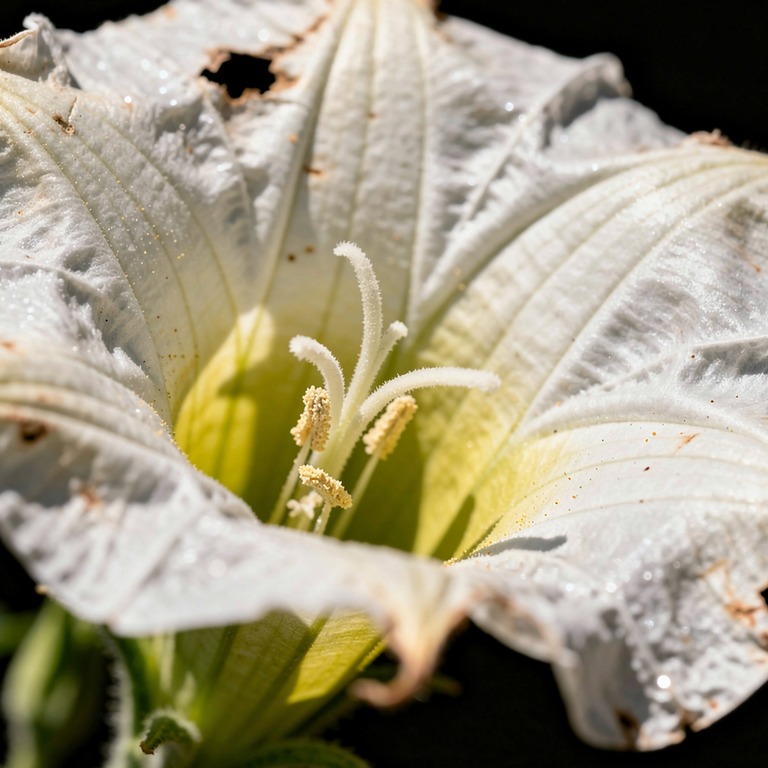
- Stop and look at one specific thing. A leaf. A patch of lichen. The way bark splits on an old trunk. Give it a full minute. You'll be amazed how long a minute feels when your eyes are the only thing working.
- Ask small, strange questions. How old is this tree? Where does this stream go? What was this neighborhood before it was a neighborhood? You don't need answers — the asking is the practice.
That's the whole thing. It sounds almost insultingly simple. It is simple. It's also, in practice, one of the hardest things a modern nervous system can do, because it asks you to tolerate doing nothing while appearing to do something.
What You're Likely to Notice
The first ten minutes are usually garbage. Your mind will serve up the week's grievances, half-finished emails, that thing you should have said in 2017. Don't fight it. Let the static run. The walk is doing its work in the background — your breathing is slowing, your gaze is lengthening, your shoulders are dropping even if you can't feel it yet.
Somewhere around minute twelve, something shifts. You'll notice the sound of a particular bird, not just bird-sound. You'll see a color you didn't know was there. The world starts to feel less like wallpaper and more like a room full of things that are also, in their own ways, alive.
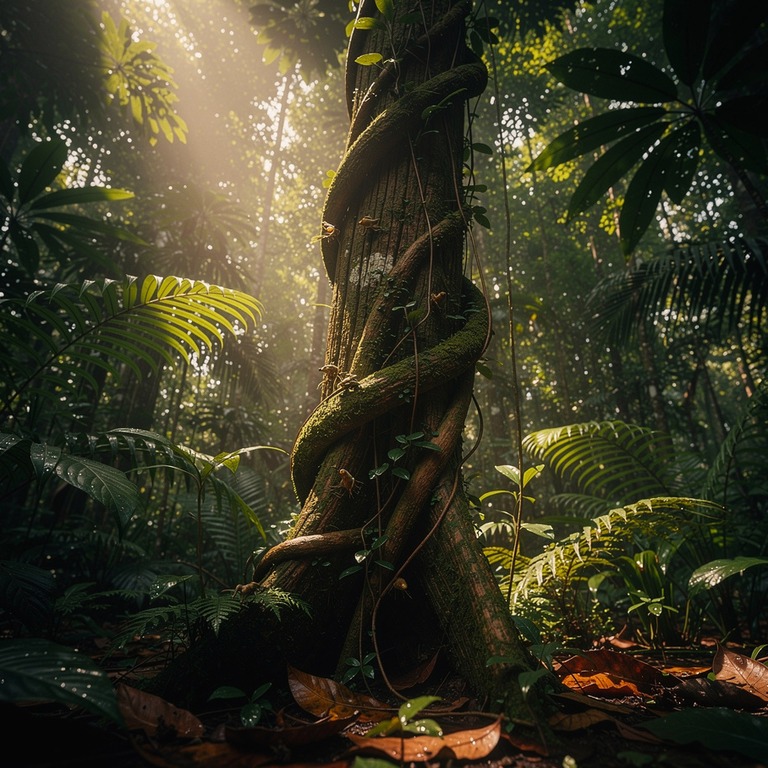
This is the state a lot of people come home from an ayahuasca retreat trying to hold onto. The ceremony cracks the shell — the wonder walk is one of the humble, repeatable practices that keeps it from closing back up. You don't have to fly to Peru to feel like the world is breathing. You do have to practice looking at it.
A Walking Practice as Integration
If you've done any work with plant medicine — ayahuasca, psilocybin, San Pedro, even a strong meditation retreat — you already know that the hard part isn't the experience. It's the Tuesday morning three weeks later, when the dishes are piled up and the insights feel distant. Integration is what turns a weekend of ceremony into an actual change in how you live.
Walking practices are among the most underrated integration tools out there. They don't require a therapist, a cushion, a specific hour, or any particular belief system. They put you in your body and in a landscape, which is often exactly where the lessons from a deep inner experience want to be anchored.
A few things that help:
- Walk the same route repeatedly. Variety is overrated. Returning to the same trees and watching them change across weeks is where the deeper noticing lives.
- Walk alone at least some of the time. Company is lovely; it also fills the silence the practice needs.
- Walk in weather you'd normally avoid. Light rain, cold wind, hot afternoon — the discomfort is part of the point. It keeps you in the body instead of in your head.
- Write one sentence when you get home. Not a journal entry. One sentence about one thing you saw. Over a year, that notebook becomes something you'll treasure.
When the Walk Isn't Enough
I'd be dishonest if I pretended a slow outdoor walk fixes depression or unravels trauma. It doesn't. For some people, it's a doorway into a larger practice — therapy, meditation, somatic work, and yes, sometimes carefully chosen plant-medicine experiences held in proper ceremonial containers. For others, it's just a reliable Tuesday-evening reset that keeps the baseline tolerable.
The point isn't that a wonder walk replaces anything. It's that it's always available, costs nothing, and compounds. Twenty minutes today does roughly nothing. Twenty minutes three times a week for a year reshapes how you occupy your own life.
And if what the walk starts to show you is that something deeper needs attention — that the stuck pattern, the grief, the quiet addiction, the grief-shaped hole none of your hobbies quite fill — there are more structured paths available too. For readers whose noticing leads them toward that kind of work, a curated range of plant-medicine and ceremonial retreats can be explored on our marketplace here.
For now, though: close the laptop. Put on the shoes. Find a tree you've walked past a hundred times and give it a proper minute of your attention. See what happens.

Craving More Stories?
Get your free guide on how to choose a psychedelic retreat, plus upcoming retreats and new reading every two weeks.
We value your privacy. Your email address will never be shared or published.