 English
 Deutsch
 Français
 Nederlands
 Español
SHOP AYAHUASCA RETREATS BLOG
Meditation Saved My Life: What That Phrase Actually Means

Ezra Caldwell
August 8, 2026
Your ultimate guide to discover transforming ayahuasca and psychedelic experiences. Dive into serene destinations and elevate your consciousness to unparalled heights.
Discover Ayahuasca & Psychedelic Retreats NowSearch for ayahuasca & psychedelic retreats
Discover retreats, trainings, and holidays from all over the world
You hear it in recovery meetings, in yoga studios, in the quiet minutes after a ceremony winds down. Meditation saved my life. It sounds dramatic until you meet the people who say it — and then it doesn't sound dramatic at all. It sounds like a plain description of what happened.
I've spent years around people navigating addiction, depression, and the aftermath of plant-medicine work, and the pattern is consistent: those who build a daily sitting practice tend to hold onto their gains. Those who don't often lose them. That's not a slogan. It's what actually happens when the ceremony ends and Tuesday morning arrives.
Why the Phrase Keeps Coming Up
When someone says meditation saved their life, they usually don't mean they were levitating in bliss. They mean something more practical. They mean that at 3 a.m., when the old thought showed up — the one that used to drive them to a bottle, a bridge, a bad relationship — they were able to notice it as a thought instead of obeying it. That gap, sometimes only a second wide, is where lives get rerouted.
For people coming out of ayahuasca, ibogaine, or psilocybin work, that gap matters even more. Psychedelics can crack something open. They can show you, in searing color, what your patterns look like from the outside. But the medicine doesn't come home with you. Your nervous system does. And a nervous system that hasn't learned how to sit with discomfort will keep looking for the exit.
Meditation, done consistently, is training in not needing the exit. It's a slow rewiring — not glamorous, occasionally boring, sometimes deeply uncomfortable. And for a certain kind of person, it becomes the thing that turns temporary breakthroughs into permanent shifts.
The Overlap With Plant Medicine
Anyone who's sat in ayahuasca ceremony has probably noticed how much the experience resembles a very intense meditation. The visuals, the memories, the body sensations — they all rise and pass. The instruction from the shamans is often nearly identical to what a Zen teacher would say: don't grab, don't push away, just breathe and stay with it.
This isn't coincidence. Master plants and contemplative traditions are both, at their core, technologies for meeting your own mind. One works in hours; the other works in years. Both point at the same thing.
Where they differ is durability. A single ceremony can produce a shift so profound that people describe it as a rebirth. But without integration — without a daily practice that keeps the channel open — that shift can fade. Six months later, the person is back to old patterns, wondering what happened. This is the great unspoken problem in the psychedelic healing space. The medicine works. The follow-through doesn't always.
Meditation is one of the few practices that reliably bridges that gap. It doesn't compete with the medicine. It carries it.

What Actually Happens When You Start Sitting
Let me be honest about what beginning meditation looks like, because most articles skip this part. The first two weeks are usually awful. Your knees hurt. Your mind won't shut up. You're convinced you're doing it wrong. You are not doing it wrong. This is what it looks like.
Somewhere around week three or four, something shifts. Not enlightenment. Just a small noticing. You catch yourself mid-spiral and think, huh, there I go again. That noticing is the whole thing. That's the muscle you're building.
- You'll notice you can sit through a craving without acting on it.
- You'll notice you don't have to finish every thought you start.
- You'll notice the difference between a feeling and a story about the feeling.
- You'll notice how loud your inner critic has been for how long.
- You'll notice, eventually, that noticing is enough.
None of this is mystical. It's cognitive skill-building with your eyes closed. But the effects compound in ways that surprise people. Sleep improves. Reactivity drops. You start to like your own company again. For someone climbing out of addiction or depression, these small wins are load-bearing.
How Meditation Supports Psychedelic Integration
If you're considering an ayahuasca retreat, an ibogaine program, or any serious psychedelic work for addiction or trauma, here's the piece nobody at the intake call will emphasize enough: your integration practice matters more than the ceremony itself.
Integration means taking what you saw and turning it into how you live. That process is largely internal. You have to be able to sit with yourself long enough to hear what the medicine was trying to say. Without a contemplative anchor, most people talk about their experience for a while, then quietly drift back to baseline. The insights don't stick because there's no place in the nervous system for them to land.
A meditation practice — even a modest one, twenty minutes a day — gives those insights somewhere to go. It builds the kind of interior stillness that lets the deeper messages surface at their own pace, sometimes weeks or months after the ceremony ended.
Practical starting points for anyone preparing for or returning from a plant-medicine retreat:
- Begin sitting before the retreat, not after. Ten minutes a day for a month is enough to make the ceremony noticeably deeper.
- Use breath as the anchor. Nothing fancy. Just noticing the inhale and exhale.
- Don't chase experiences. If it feels boring, that's often when the real work is happening.
- Sit at the same time each day. Consistency beats duration.
- Find a lineage or teacher you trust — vipassana, zen, and shamatha traditions all have long track records with trauma and addiction.

Meditation, Addiction, and the Long Road Back
Addiction, at its core, is an inability to be present with painful internal states. Whatever the substance or behavior — alcohol, opioids, food, sex, work — the mechanism is the same. Something inside becomes unbearable, and the compulsion arrives to make it stop.
Ibogaine and ayahuasca have both shown remarkable results in interrupting that mechanism. They can reset the reward system, surface the buried trauma, and offer a felt sense of being okay that many addicts have never experienced. But the pull of the old patterns is patient. It waits. And in the months following a ceremony, when the medicine's glow fades and life resumes its ordinary difficulty, that pull comes back.
This is where meditation stops being optional. Sitting practice teaches the same lesson the medicine taught — that unbearable feelings are not, in fact, unbearable — but it teaches it slowly, in your own living room, on your own schedule, with no facilitator required. It gives you a way to keep the door open.
People who combine both — a genuine plant-medicine experience with a real contemplative practice afterward — tend to be the ones who make it through. Not because meditation is magic, but because it makes the magic sustainable.
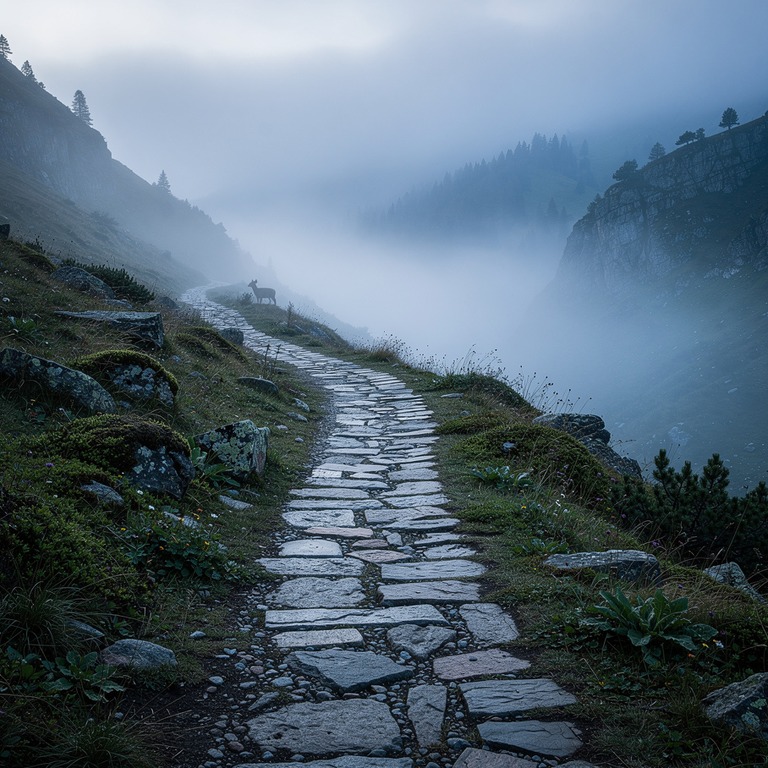
Starting Small, Staying Honest
You don't need a cushion, an app, or a retreat to begin. You need a chair, a timer, and the willingness to be a little uncomfortable for a few minutes each day. That's it. Everything else is decoration.
Some days it'll feel pointless. Some days you'll skip. Fine. The practice is coming back the next day anyway. That's the practice.
And if you're weighing a plant-medicine retreat as part of your own healing — for addiction, depression, or something you can't quite name — know that the ceremony is only half the work. The other half happens in the ordinary hours, in silence, alone with your own breath. For readers curious about pairing that inner work with a supported ceremonial container, a range of ayahuasca and plant-medicine retreats can be browsed on our marketplace here.
Meditation didn't save anyone's life in a single dramatic moment. It saved them one Tuesday at a time, one breath at a time, until enough Tuesdays had passed that a different life was quietly already underway.

Craving More Stories?
Join our ShopAyahuascaRetreats newsletter for the latest updates on thrilling
destinations and inspirational tales, delivered straight to your inbox!
We value your privacy. Your email address will never be shared or published.