 English
 Deutsch
 Français
 Nederlands
 Español
SHOP AYAHUASCA RETREATS BLOG
Loneliness After Cancer: Why Connection Matters More Than We Admit

Fiona Holloway
October 25, 2026
Your ultimate guide to discover transforming ayahuasca and psychedelic experiences. Dive into serene destinations and elevate your consciousness to unparalled heights.
Discover Ayahuasca & Psychedelic Retreats NowSearch for ayahuasca & psychedelic retreats
Discover retreats, trainings, and holidays from all over the world
The chemo port comes out. The scans come back clean. Someone throws a “you did it” card on the kitchen counter. And then, somehow, the hardest part of cancer begins.
That gap — between the end of active treatment and the start of whatever comes next — is where a lot of people quietly fall apart. A recent analysis of more than 70,000 American adults with a cancer history suggests one feeling, more than any other, is doing the damage: loneliness. Survivors who said they felt lonely at least sometimes had nearly three times the odds of reporting a depression diagnosis compared with those who rarely or never did. That single factor outweighed physical limitations and lack of social support, even after researchers controlled for the usual suspects — age, income, smoking, exercise, physical health.
I've been writing about healing retreats for a while now, and I keep meeting people whose stories echo this data. Someone finishes treatment, everyone around them exhales, and six months later they're sitting across from a facilitator in Peru or Costa Rica wondering why the relief never came. This piece is for them, and for the friends and family who want to understand what's actually going on.
What the study actually found
Researchers pulled from survey data collected by state health departments and the CDC across 2023 and 2024. The sample was large — 70,620 adults with a history of cancer, more than half women — which gives the findings real weight. About 22% of participants had been diagnosed with depression at some point in their lives.
Three variables jumped out. Loneliness nearly tripled the odds of depression. Physical limitations — trouble walking, bathing, dressing, running errands — roughly doubled them. Lacking social or emotional support also raised the odds, though less dramatically than loneliness itself. The surprise, if you can call it that, is that loneliness held its ground even after the other factors were accounted for. You can have people around you and still feel profoundly alone. The study doesn't prove loneliness causes depression — correlation isn't causation, as every stats professor loves to remind us — but it's a strong enough signal that the researchers are calling for loneliness screening to become part of standard survivorship care.
Why loneliness lingers long after the last appointment
Here's the thing nobody tells you about finishing cancer treatment: the scaffolding disappears. During active treatment you have appointments, nurses who know your name, a schedule, a team. People bring casseroles. Your inbox fills with check-ins. Then it all stops, more or less at once, and you're expected to resume a life that no longer fits.
Relationships shift in ways that are hard to name. A spouse who became a caregiver may struggle to switch back to being just a partner. Friends who were terrified during treatment sometimes retreat once the crisis passes — not out of malice, but because they don't know what to say to someone who's still processing. The survivor, meanwhile, is often carrying grief that doesn't have a name: grief for the body they had, the certainty they had, the version of their future they'd been quietly assuming would happen.
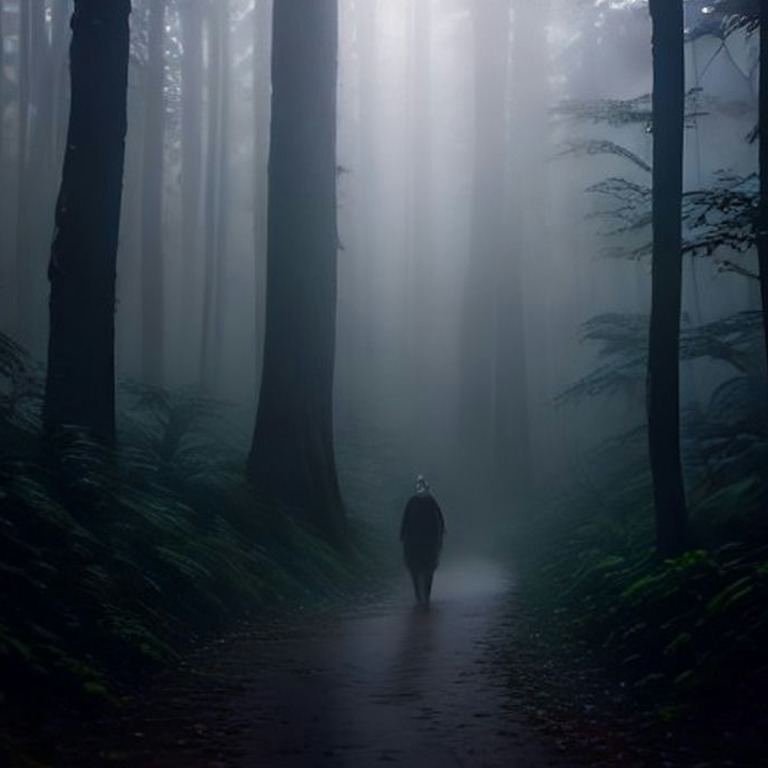
Add physical limitations to the mix and the isolation deepens. If walking any distance is exhausting, you stop meeting friends for the long hikes you used to do. If fatigue is a constant companion, dinner invitations get politely declined until they stop coming. Loneliness in survivorship isn't about being alone in a room. It's about being surrounded by people who can't quite reach you.
Where plant medicine enters the conversation
I'm cautious about overpromising here, because the plant-medicine world has a bad habit of claiming to fix everything. Ayahuasca isn't a cancer treatment. Psilocybin isn't going to regrow nerve endings or reverse neuropathy. What the research does suggest, though, is that psychedelic experiences can meaningfully shift the psychological aftermath of serious illness — particularly the depression, existential distress, and sense of disconnection that so often follows a cancer diagnosis.
The work on psilocybin for cancer-related depression and end-of-life anxiety is some of the strongest psychedelic research we have. Trials at Johns Hopkins and NYU, published back in 2016 and followed up in the years since, showed sustained reductions in depression and anxiety for patients with life-threatening cancer after a single high-dose psilocybin session paired with therapy. More recent work has continued to support those findings, and MDMA-assisted therapy has shown promise for the trauma that often tangles itself up with a serious diagnosis.
Ayahuasca sits in a slightly different category — less studied in formal cancer survivorship contexts, but widely used by people navigating the emotional aftermath of major illness. The ceremonial container, the presence of other people doing the same hard inner work, the integration circles afterward — these address loneliness directly, not just as a symptom but as a lived experience being witnessed by others. That matters. Several facilitators I've spoken with say cancer survivors are a growing portion of their retreat populations, often arriving a year or two post-treatment with the same question: why don't I feel better yet?
What survivors can actually do
If you're reading this as someone in that strange post-treatment limbo, or you love someone who is, the research points toward a few practical moves. None of them are glamorous. All of them help.
- Name the loneliness out loud. It sounds small. It isn't. Telling your doctor, your therapist, or a trusted friend that you're lonely — not just tired, not just adjusting, but lonely — makes it a real thing that can be addressed rather than a quiet secret that corrodes you.
- Find other survivors. Online cancer support groups, in-person meetups, survivorship clinics — the specific setting matters less than being around people who don't need the backstory explained. There's a shorthand among survivors that short-circuits a lot of the exhausting translation work.
- Ask for specific help, not general help. “Let me know if you need anything” is useless to someone with decision fatigue. “Can you drive me to Thursday's appointment?” is actionable. Train your people, lovingly, to be useful.
- Address the body alongside the mind. Physical therapy, occupational therapy, gentle somatic practices — anything that helps you move more easily tends to also unlock more social life. The two feed each other.
- Consider structured psychological work. That might be a trauma-informed therapist, a grief group, a somatic experiencing practitioner, or — if you're drawn to it and medically cleared — a well-run psychedelic retreat with facilitators experienced in working with illness and survivorship.
If you're thinking about a retreat
A few honest words, since this is where a lot of readers land. Plant-medicine retreats are not a shortcut around grief, and they're not safe for everyone. If you're on antidepressants, if you have a cardiac history from chemotherapy, if you're still immunocompromised, if you're on medications that interact badly with MAOIs — these are real conversations to have with both your oncology team and any facilitator you're considering. A reputable retreat will ask about all of this before accepting you. If they don't ask, that's your answer about whether to go.
Look for places that take integration seriously. The ceremony itself is maybe 20% of the work; what you do in the weeks and months afterward is where the real shifts stick or dissolve. Ask what support is offered after you fly home. Ask whether facilitators have experience working with cancer survivors specifically, or with people processing serious illness and medical trauma. The honest answer to “have you worked with people like me” tells you a lot.
Loneliness after cancer is a legitimate reason to seek a container where you'll be seen by others walking parallel paths. For readers who want to take this further, a range of curated ayahuasca and psilocybin retreats — including centers that work regularly with survivors and people in recovery from serious illness — can be browsed on our marketplace here. Whatever you choose, don't try to carry this part alone. The data, and most of the humans I've met in this work, agree on that much.
Craving More Stories?
Join our ShopAyahuascaRetreats newsletter for the latest updates on thrilling
destinations and inspirational tales, delivered straight to your inbox!
We value your privacy. Your email address will never be shared or published.