 English
 Deutsch
 Français
 Nederlands
 Español
SHOP AYAHUASCA RETREATS BLOG
Joyspan: 7 Everyday Habits That Quietly Extend Your Life

Cleo Adler
September 14, 2026
Your ultimate guide to discover transforming ayahuasca and psychedelic experiences. Dive into serene destinations and elevate your consciousness to unparalled heights.
Discover Ayahuasca & Psychedelic Retreats NowSearch for ayahuasca & psychedelic retreats
Discover retreats, trainings, and holidays from all over the world
Somewhere in the last decade, staying alive turned into a side hustle. We count steps, stack supplements, log our resting heart rate before breakfast, and swap CGM screenshots like baseball cards. None of that is bad. Some of it is genuinely useful. But there's a question hiding under all the biometrics that almost nobody asks out loud: are you actually enjoying being alive?
Because a longer life you don't want to be in isn't much of a prize.
I've started thinking about this in terms of what a friend of mine calls joyspan — the stretch of years where you feel curious, connected, engaged, and glad to wake up. It's a softer metric than VO2 max, and you can't buy a wearable for it. But it might be the one that matters most. And here's the strange, hopeful thing: the habits that seem to grow joyspan are, almost without exception, the same ones the longevity researchers keep pointing at.
The small daily kind of love (yes, I mean dogs)
Let's start with the most embarrassing evidence: dog owners tend to live longer. Studies have linked owning a dog to lower blood pressure, reduced cardiovascular risk, and better recovery odds after a heart attack. Skeptics will say correlation, not causation. Maybe. But look at what a dog actually does to a day.
You move more, whether you feel like it or not. You go outside in weather you would have skipped. You bump into neighbors and end up in conversations you didn't plan. There's a real thing researchers call the dog-park effect — enforced, low-stakes social contact with other humans, which turns out to be one of the more protective things a nervous system can get. And petting the animal releases oxytocin, the same hormone that shows up during hugs and breastfeeding.
Maybe most importantly, a dog gives you a reason. Purpose is wildly underrated as a health variable, and a creature that needs breakfast at 6:47 a.m. delivers it in the most uncomplicated way imaginable. Cats count too, before anyone writes in.
Close relationships do more than cholesterol
If longevity research has one greatest hit, it's this: relationships predict how long and how well you live better than almost any other single factor. The Harvard Study of Adult Development has been tracking the same men for more than eighty years, and the finding that keeps surviving every re-analysis isn't about diet or income or blood work. It's about who you're close to.
You can feel it in the ordinary evidence of a good life. A dinner that runs an hour long because nobody wants to leave the table. A friend you can call without rehearsing the opener. A sibling who knows what you actually mean when you say you're fine. These aren't nice extras. They're regulating your nervous system, tamping down stress hormones, and changing, quite literally, how your body ages.
Loneliness, meanwhile, appears to be about as bad for you as smoking. Which is a grim sentence, but a useful one. If you find yourself investing more in supplements than in the people you love, the ledger is upside down.
Play isn't optional after 30
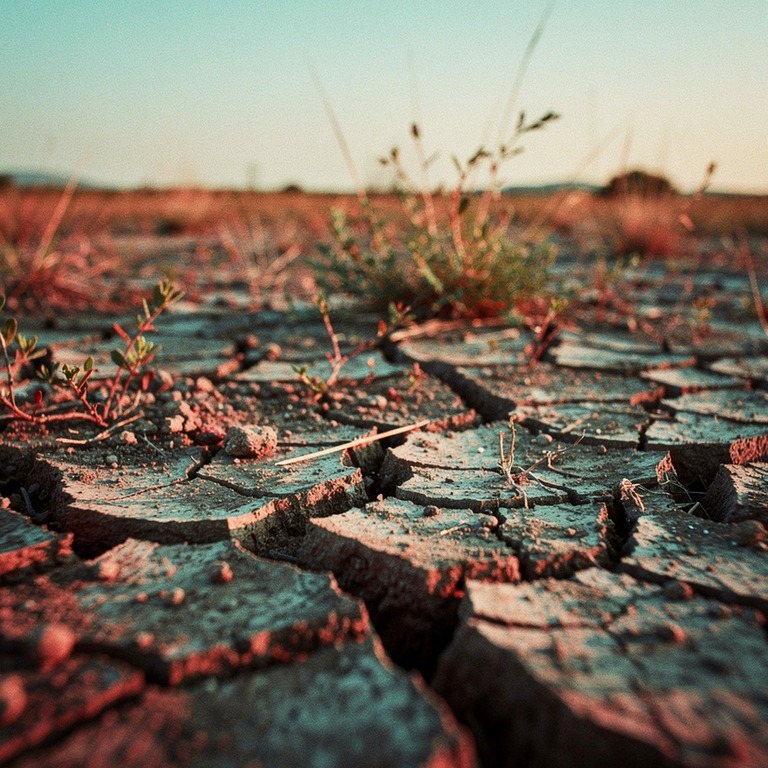
Adulthood has a way of quietly demoting play. It becomes something you'll get to after the important stuff. The important stuff, of course, never ends.
But there's a reason the world's longest-living populations — the Blue Zones people can't stop writing books about — organize their days around movement that feels like play. Walking to a friend's house. Gardening. Dancing at community events. Pickup games. Tennis in particular has been associated with one of the biggest life-expectancy boosts of any recreational activity, probably because it's physical and social and cognitively demanding all at once. You're reacting, reading a person, moving laterally, and swearing under your breath. It's a full-body cognitive workout dressed up as a Saturday afternoon.
The trick is to find movement you'd choose even if it weren't good for you. When exercise stops feeling like homework and starts feeling like the best part of the week, the consistency problem solves itself.
Novelty keeps the brain flexible
You know the feeling of being somewhere new — how the coffee tastes more like coffee, the streets seem louder, everything is a little more vivid? That heightened attention isn't just a nice vacation buzz. Novel experiences appear to build what neuroscientists call cognitive reserve, the brain's capacity to keep adapting as it ages. Curiosity, in other words, is protective tissue.
The good news: you don't need a passport. Novelty is available in a different route home, a class in something you're bad at, a restaurant in a neighborhood you've been meaning to explore, a book by someone whose worldview annoys you. The point is to interrupt the autopilot that middle life installs by default.
Some people find that novelty at its most concentrated shows up in retreat settings — silent meditation, wilderness immersion, or plant-medicine ceremonies conducted in traditions that ask you to encounter yourself differently. Those are heavier decisions, obviously, and not for everyone. But they belong on the same continuum: doing something that makes today feel meaningfully different from yesterday.
Nature is a nervous-system reset
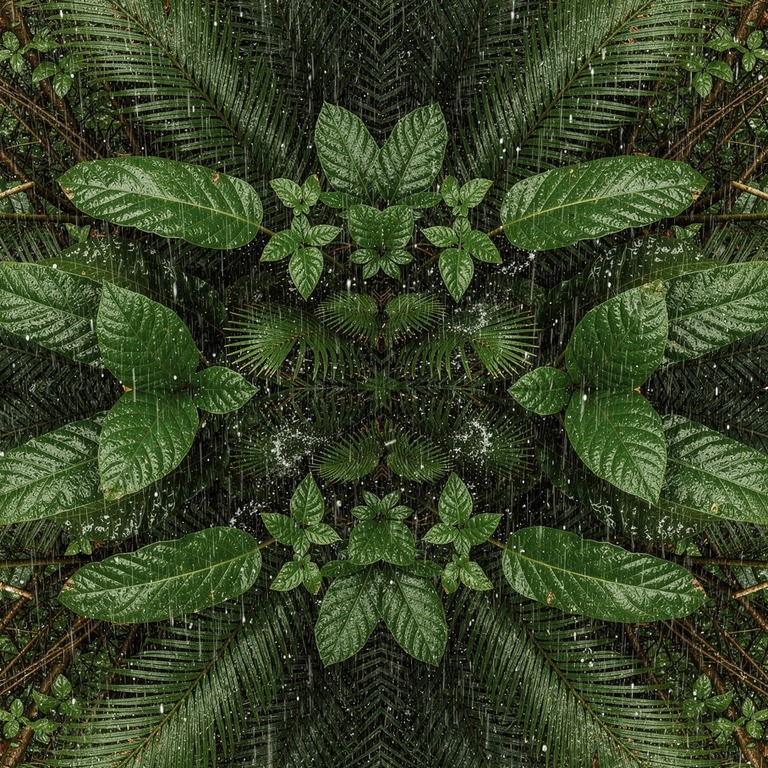
The research on time outdoors is now embarrassingly consistent. Even small doses — morning light in your eyes, twenty minutes on a green block, a weekend walk somewhere with trees — show up in measurable improvements to mood, sleep, stress hormones, and inflammatory markers. You don't need a national park.
What I like about the nature research is how forgiving it is. You don't have to become a hiker. You don't have to buy gear. You have to walk outside without your phone for ten minutes, more days than not. That's the whole prescription.
Awe, and why it matters more than it sounds
Awe is one of those emotions we don't discuss enough because it sounds vaguely religious. But researchers have been quietly documenting some strange effects. Experiencing awe — the feeling of standing in front of something larger than yourself — has been linked to reductions in inflammatory markers, decreased self-focus, and stronger feelings of connection to other people.
The trigger doesn't have to be a Grand Canyon rim. It can be a piece of music that undoes you, a sky that looks impossible, a moment in a ceremony or a service that quiets the internal chatter, or the sudden sense of how old the trees on your street actually are. Awe is available in ordinary moments if you're paying attention. The more you notice it, the more it seems to arrive.
This is one of the reasons contemplative and plant-medicine traditions have persisted for as long as they have. Whatever else they do, they crack the ordinary open. Something like ayahuasca or psilocybin, taken in a responsible setting, is essentially a technology for producing awe on demand — with all the risks and responsibilities that phrase implies. Not the only path. But a path some people find when the ordinary ones have stopped working.
Hobbies that pull you under
There's a distinct satisfaction that comes from doing something with no productivity angle. No optimization, no outcome, no post about it. Reading a novel. Baking bread that isn't for anyone. Learning a chord you'll never perform. Gardening the same tomato plant your grandmother grew.
Psychologists call this state flow — full absorption in an activity that's just hard enough to hold your attention. Flow has been linked to lower stress, better mental health, and higher life satisfaction across dozens of studies. It's also, subjectively, one of the closest things adult life offers to the way time felt when you were nine.
My own evidence, for whatever it's worth: the weeks I feel most like myself are the ones where I made room for something creative or absorbing. A pottery class. An afternoon in the kitchen. A long stretch with a book. The measurable stuff — sleep, workouts, meals — improves in those weeks too, almost as a byproduct.

Putting it together without turning it into homework
Here's the pattern, if you squint at all seven: none of these habits are clinical. They don't require an app. They can't be A/B tested against a placebo. They're just what a good life has always looked like — animals, friends, play, curiosity, weather, wonder, and something to make with your own two hands.
The uncomfortable question they raise is whether the modern obsession with optimization has quietly swapped means for ends. If the point of eating well and sleeping enough is to live longer, and the point of living longer is to have more of the good stuff, then maybe the good stuff should get top billing on the calendar, not the leftovers.
- Choose one habit above that you've been quietly starving.
- Give it one non-negotiable slot in your week.
- Watch what happens to the metrics you were tracking anyway.
Most people are surprised. Sleep improves when you have people to see. Blood pressure drops when you laugh more. Cravings settle when the day contains something you actually look forward to.
And if a piece of your curiosity is pointing toward deeper work — trauma you've been circling for years, addictive patterns you're tired of, a stuck feeling that no amount of green juice has moved — the awe and connection you can find in a well-run plant-medicine retreat is one option worth considering carefully. If that thread pulls at you, a range of curated ayahuasca and psychedelic retreats can be browsed on our marketplace here.
Lifespan tells you how long. Healthspan tells you how well. Joyspan tells you whether any of it was worth the trouble. Aim for all three, but don't forget which one the other two are supposed to serve.
Ayahuasca & Psychedelic retreats

Craving More Stories?
Join our ShopAyahuascaRetreats newsletter for the latest updates on thrilling
destinations and inspirational tales, delivered straight to your inbox!
We value your privacy. Your email address will never be shared or published.