 English
 Deutsch
 Français
 Nederlands
 Español
SHOP AYAHUASCA RETREATS BLOG
How Meditation Has Changed My Life: An Honest Account

Liam Beckett
October 27, 2026
Your ultimate guide to discover transforming ayahuasca and psychedelic experiences. Dive into serene destinations and elevate your consciousness to unparalled heights.
Discover Ayahuasca & Psychedelic Retreats NowSearch for ayahuasca & psychedelic retreats
Discover retreats, trainings, and holidays from all over the world
People ask me about meditation the way they ask about diets. Does it work? How fast? What do you actually get out of it? And honestly, after years of sitting most mornings, the answer I give is messier than the one they want. Meditation changed my life. It also didn't change the parts I most wanted to change, at least not the way I expected. Both things are true.
If you're reading this because you're considering a silent retreat, a daily app habit, or even a plant-medicine ceremony that promises to crack you open — meditation is often the quieter cousin to all of that. Less dramatic. Slower. And in some ways, more durable. Here's what two decades of imperfect practice has actually done to me, told without the Instagram gloss.
What Actually Shifted (And What Didn't)
The first thing to go was the volume. Not the content of my thoughts — those are still a circus — but the sheer loudness of them. Before I started sitting, every mental event felt urgent. A passing worry would hijack my afternoon. An insult from a coworker would echo for three days. Now there's a half-second of space between a thought arriving and me believing it. That gap is small. It's also everything.
What didn't change: I'm still anxious. Still occasionally petty. Still capable of a mood that could sour milk. Anyone who tells you meditation turns you into a serene cloud-person is either lying or hasn't been at it long enough to notice themselves losing it. The practice doesn't delete your personality. It just stops you from being quite so unconsciously ruled by it.
The other quiet shift was in my body. I didn't know I'd been holding my shoulders somewhere near my ears for most of my adult life until, maybe three years in, I noticed them drop during a work meeting. Just drop. Like my nervous system had finally gotten the memo that I wasn't being chased.
How Long Before Anything Happens?
Short answer: longer than the apps imply, shorter than the monks suggest. I tell people to give it ninety days of showing up most days, ten to twenty minutes at a sitting, before judging it. Below that threshold you're mostly just getting familiar with how uncomfortable your own mind is. That's a legitimate stage. It's also the stage where almost everyone quits.
Here's what tends to happen on the actual timeline, in my experience and in what I've heard from dozens of people who stuck with it:
- Weeks 1–3: You will think you're bad at this. You're not bad at it. You're meeting your mind for the first time, and your mind is a lot.
- Weeks 4–8: Small moments of calm appear, usually not during meditation itself but in the hour after. Reactions slow by a fraction.
- Months 3–6: You start noticing patterns you'd never seen before — the exact flavor of your anger, the specific way you abandon yourself when stressed.
- Year one and beyond: The practice stops feeling like a thing you do and starts feeling like a way you orient. You still miss days. You come back.
Nothing fireworks-y. No visions. If you want visions, that's a different medicine, and we'll get to that.
Why People Combine Meditation With Plant Medicine
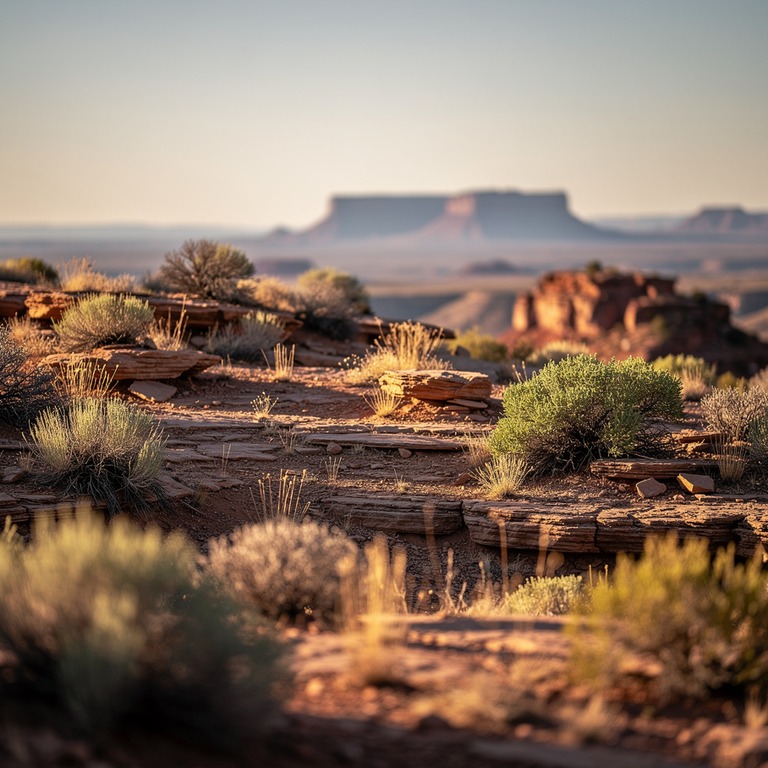
A lot of readers who end up on sites like this one are weighing something bigger than a mindfulness app. They're considering a psychedelic retreat — ayahuasca, psilocybin, San Pedro, maybe ibogaine for addiction recovery. And they want to know how meditation fits into that picture.
Here's the honest take from someone who's done both. A ceremony can show you things in a weekend that might take years of sitting to glimpse. That's the appeal, and it's real. But the integration — the slow, unsexy work of actually living differently afterwards — leans almost entirely on something like a meditation practice. Without it, the insights from a strong ayahuasca night tend to fade into the mental background within weeks. With it, they have a chance to actually root.
Facilitators I respect say roughly the same thing in different words. The plant medicine opens a door. Meditation is how you walk back through it on a Tuesday afternoon when nothing is happening and you have to answer your email. One without the other tends to be either too dry or too fleeting.
Choosing a Style That Doesn't Make You Quit
There are more flavors of meditation than there are of ice cream, and the one that works for you probably isn't the first one you try. A quick, opinionated map:
- Breath-focused (anapana, basic mindfulness): The default starting point. Simple instructions, hard execution. Good for people who want structure.
- Body scanning (vipassana-style): Slow, methodical, surprisingly intense. Great for people who live too much in their heads. Rough for people with unprocessed trauma — go gently.
- Loving-kindness (metta): Feels corny for about two weeks. Then it quietly rewires how you talk to yourself.
- Open awareness / shikantaza: Advanced, formless. Don't start here. You'll just sit there confused.
- Mantra-based (TM, mantra practice): Works beautifully for some, feels silly to others. Try it if focus-based styles make you want to throw your cushion.
My suggestion: pick one, commit for a month, then evaluate. Jumping between styles weekly is how you ensure nothing takes hold. The style matters less than the showing up.
What a Silent Retreat Actually Feels Like
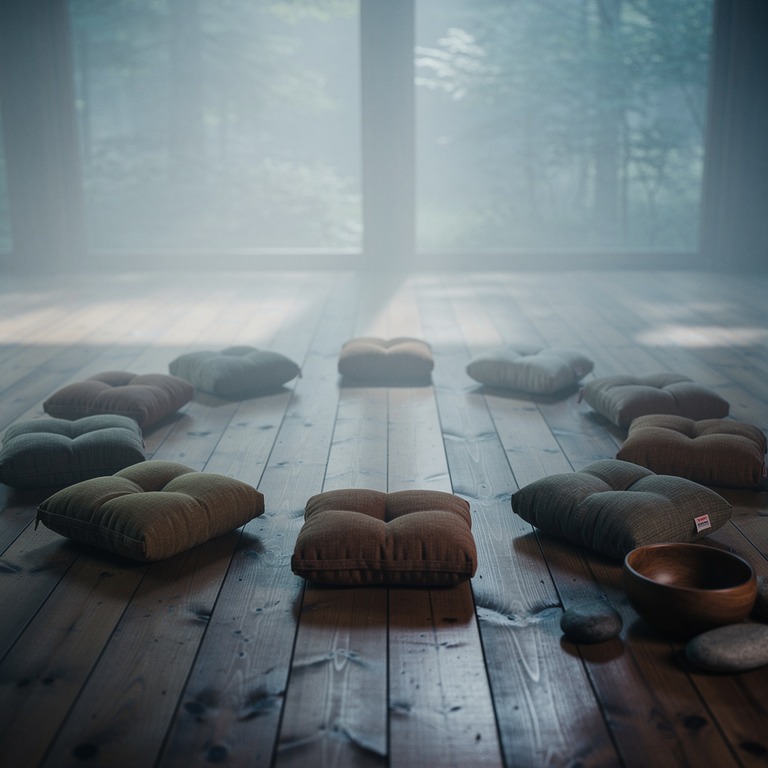
If you're considering a longer sit — a weekend, a ten-day vipassana, something at a monastery — know this: the first two or three days are usually awful. Not spiritually awful. Just regular awful. Your back hurts, your mind is loud, you resent the schedule, and you fantasize about the sandwich you'll eat when you leave.
Then something shifts, usually around day three or four. The resistance exhausts itself. You get bored of being bored. And in that boredom, things start to surface — memories you'd filed away, feelings you'd outsourced, a kind of tenderness toward yourself that normal life doesn't have room for. That's the part people come back for. It's also the part that's hard to describe without sounding like a brochure.
Retreats aren't for everyone, and they're especially not for everyone right now. If you're in acute crisis, grieving fresh, or coming off something, extended silence can crack you open in ways you're not resourced to hold. Shorter formats, a therapist, and some basic daily practice usually serve better until the ground is a little steadier.
A Few Honest Caveats
Meditation is not a mental-health treatment, no matter how often it's marketed as one. It helps a lot of people with low-grade anxiety and reactivity. It can genuinely stabilize mood over time. It's also been documented to surface difficult material — dissociation, panic, old trauma — particularly in long, intensive formats. If you have a history of psychosis or serious trauma, work with someone who knows what they're doing. Don't white-knuckle a ten-day retreat because an influencer said it changed their life.
And one more thing: meditation won't fix your relationships, your job, or the dish you keep leaving in the sink. It'll just make you slightly more honest about why those things are the way they are. Whether that's a gift or a problem depends on the day.
If any of this resonates and you're thinking about combining a practice with something deeper — a plant-medicine ceremony, a longer immersion, a guided retreat with real integration support — a curated range of psychedelic and plant-medicine retreats can be browsed on our marketplace here. Start wherever you actually are, not where you think you should be. The cushion will still be there tomorrow.
Craving More Stories?
Join our ShopAyahuascaRetreats newsletter for the latest updates on thrilling
destinations and inspirational tales, delivered straight to your inbox!
We value your privacy. Your email address will never be shared or published.