 English
 Deutsch
 Français
 Nederlands
 Español
SHOP AYAHUASCA RETREATS BLOG
First Psychedelic Trip: What Every Beginner Should Actually Know

Lila Novak
August 16, 2026
Your ultimate guide to discover transforming ayahuasca and psychedelic experiences. Dive into serene destinations and elevate your consciousness to unparalled heights.
Discover Ayahuasca & Psychedelic Retreats NowSearch for ayahuasca & psychedelic retreats
Discover retreats, trainings, and holidays from all over the world
So you're thinking about your first psychedelic experience. Maybe it's psilocybin mushrooms at a friend's cabin. Maybe it's a proper ayahuasca ceremony in Peru you've been eyeing for months. Maybe it's LSD at a music festival — which, for the record, I wouldn't recommend as a starting point, but people do it anyway.
Whatever the substance, whatever the setting, the questions tend to be the same. What does it feel like? How much should I take? What if I panic? Is this actually going to help me, or am I about to have the worst night of my life for no good reason?
Let's talk about it honestly. Not the Instagram version. Not the retreat brochure version. The version I wish someone had given me before my own first ceremony, when I was equal parts terrified and curious and pretending to be neither.
Why People Actually Try Psychedelics for the First Time
Almost nobody takes psychedelics because they're bored. When I interview people at ayahuasca retreats — the ones who've flown from Toronto or Berlin or Melbourne to sit in a jungle maloca — they're usually there because something in ordinary life stopped working. Antidepressants that plateaued. Grief that wouldn't resolve. An addiction quietly running the show. A marriage in trouble. A career that looks fine on paper and feels like sandpaper.
Master plants — that's what curanderos in the Amazon call ayahuasca, huachuma (San Pedro), and their relatives — have been used for what we'd now call addiction recovery, trauma work, and soul exploration for centuries. The Western clinical world is finally catching up. Serious research at Johns Hopkins, Imperial College London, and NYU has been looking at psilocybin for depression, treatment-resistant anxiety, and end-of-life distress. Ibogaine has a growing (and complicated) reputation for interrupting opioid dependence. This isn't fringe anymore.
Still, none of that research means your first psychedelic experience is going to be therapeutic. It might be. It might also be strange, uncomfortable, boring in patches, or unexpectedly funny. Going in with the right expectations matters more than almost anything else.
Set and Setting — The Two Words That Actually Matter
You'll hear these two words a lot. They're not marketing fluff. They're the closest thing psychedelic culture has to a safety protocol.
Set is your mindset. What's going on in your head the week leading up, the day of, the hour before. Are you exhausted? Recently broken up? Fighting with your mother? Anxious about a work deadline? Whatever you bring in, the medicine will amplify. Psychedelics don't create emotional material out of nowhere — they turn the volume up on what's already there.
Setting is where and with whom. A quiet room with someone sober and trustworthy present is a different universe from a crowded festival. A vetted retreat with experienced facilitators is a different universe from a stranger's living room. The setting shapes the experience more than most first-timers realize.
Practical checklist before you sit with anything:
- You feel physically well. Not fighting off a flu, not hungover, not sleep-deprived.
- You've eaten lightly and not recently — most traditions ask for fasting or a very simple diet.
- You've told at least one person you trust what you're doing and when.
- You know what the substance actually is. If you can't verify it, don't take it.
- You've thought about your intention — a question, a struggle, or simply openness. Not a demand for a specific outcome.
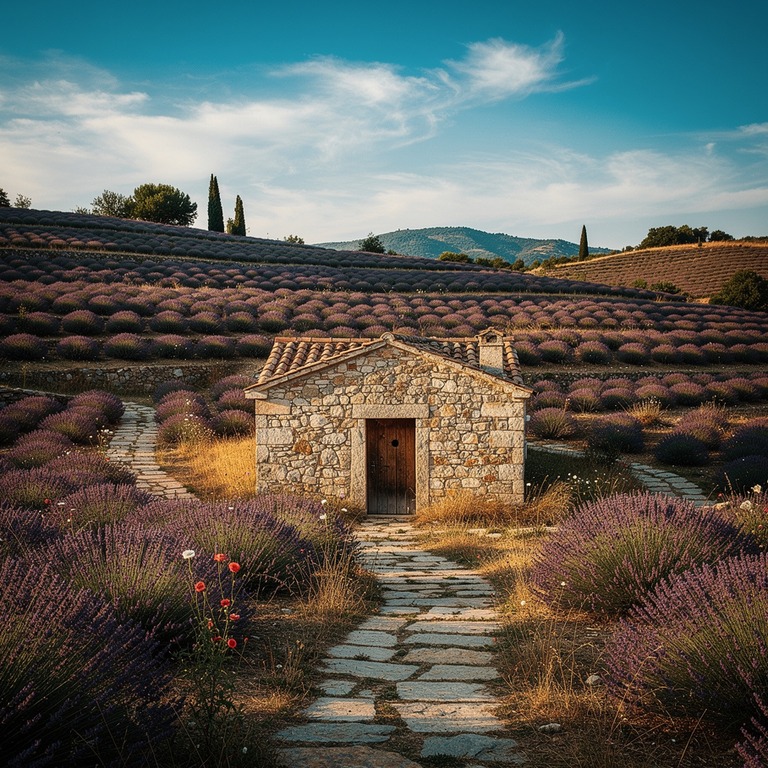
What Does a First Psychedelic Experience Actually Feel Like?
The honest answer: it depends on the substance, the dose, and you.
Psilocybin at a moderate dose tends to come on within 30 to 60 minutes. Colors get a little brighter. Music sounds thicker, more layered. Emotions arrive without a lot of warning — you might laugh until your face hurts, then cry about your grandfather for twenty minutes, then feel a strange calm you haven't felt in years. It usually lasts four to six hours.
Ayahuasca is different — heavier, longer, more medicinal in feel. There's often a purge (vomiting, sometimes diarrhea, occasionally tears — the traditions consider all of it part of the cleanse). Visions can be intricate. Time distorts. Six hours can feel like an entire life. Some people meet what they describe as the plant itself, or ancestors, or aspects of themselves they'd forgotten. Others get a night of nothing much and are quietly furious about the airfare. Both outcomes are normal.
LSD is longer still — eight to twelve hours — and tends to feel more mental than physical, more idea-driven than emotional, though it varies wildly by person.
The one thing almost every first-timer underestimates is the afterward. The come-down, the next morning, the next week. Your baseline can feel oddly gentle. Small things you used to snap about seem less important. This window — sometimes called the integration period — is where the real work happens, if any is going to happen.
How to Handle a Difficult Moment
Every experienced facilitator I've spoken with says the same thing: there are no bad trips, only difficult ones. That reframing sounds like a platitude until you're inside one.
If fear arrives — and for a lot of first-timers, it does at some point — the instinct is to fight it. Don't. Fighting it is what turns discomfort into panic. The old advice still holds:
- Breathe slowly. Long exhales, longer than the inhale.
- Change your position. Sit up, lie down, roll onto your side.
- Remind yourself this is temporary. Every psychedelic experience ends. Usually within hours.
- Let the feeling be there without deciding what it means. Meaning-making can wait until tomorrow.
- If you're at a retreat, tell the facilitator. That's what they're there for. They've seen every version of this.
The thing about difficult moments in ceremony is they're often the most useful part. What you resist tends to be the thing you needed to look at. That's not mysticism — it's how the brain works when its usual defenses are turned down.
Are Psychedelics Safe? An Honest Answer
Physically, classic psychedelics (psilocybin, LSD, DMT, mescaline) are among the least toxic substances humans put into their bodies. You are not going to overdose on mushrooms in any medically meaningful sense. That's the good news.
The complications are elsewhere. Ayahuasca contains MAOIs, which interact dangerously with SSRIs, some blood pressure medications, and various foods (aged cheese, cured meats, certain fermented things). If you're on antidepressants, you need to work with a knowledgeable doctor on a tapering plan long before ceremony. Ibogaine can affect the heart and requires medical screening — an ECG at minimum. People with a personal or strong family history of schizophrenia or bipolar disorder should generally avoid classic psychedelics; the risk of destabilization is real.
Then there's the psychological safety of the setting itself. The plant-medicine world has genuine masters and also plenty of grifters, tourists in shaman's clothing, and outright predators. Vetting matters. Talk to former participants — not the ones on the retreat's website, the ones you find yourself. Ask about safety protocols, medical screening, what happens if someone has a hard time, and how women in particular are looked after (this last question separates serious operators from sketchy ones quickly).
Should You Do This at Home or at a Retreat?
For a genuine first experience with a serious substance, a well-run retreat is almost always the better call. You get medical screening, experienced facilitators, a container designed for the state you're about to enter, and integration support after. You also get taken out of your daily environment, which matters more than it sounds.
Home experiences aren't inherently worse — plenty of people have had profound psilocybin sessions in their own living rooms with a trusted sitter. But they require you to be your own facilitator, and first-timers rarely know what they don't know.
If you're leaning toward a formal setting, spend real time comparing options. Lineage of the facilitators, size of the groups, medical support on site, integration offerings, and reviews from actual attendees all matter more than the beauty of the location. For readers ready to look at specific options, curated ayahuasca and plant-medicine retreats can be browsed on our marketplace here — starting there tends to be less overwhelming than the open internet.
Whatever you choose, take it seriously. This isn't a party. It's not a vacation, exactly. Done well, it's one of the more consequential things a person can do with a weekend of their life. Done badly, it's an expensive way to be scared for six hours. The difference is almost entirely preparation.
Craving More Stories?
Join our ShopAyahuascaRetreats newsletter for the latest updates on thrilling
destinations and inspirational tales, delivered straight to your inbox!
We value your privacy. Your email address will never be shared or published.