 English
 Deutsch
 Français
 Nederlands
 Español
SHOP AYAHUASCA RETREATS BLOG
Finally Falling in Love with Meditation: What Changes When Sitting Stops Feeling Like a Chore

Ivy Chan
October 29, 2026
Your ultimate guide to discover transforming ayahuasca and psychedelic experiences. Dive into serene destinations and elevate your consciousness to unparalled heights.
Discover Ayahuasca & Psychedelic Retreats NowSearch for ayahuasca & psychedelic retreats
Discover retreats, trainings, and holidays from all over the world
There's a particular kind of frustration that comes with meditation in the early years. You sit, you set the timer, you try — and most of the time, nothing really happens. Or worse, everything happens: your knee aches, your inbox screams from across the room, and that argument from 2019 replays with Oscar-worthy production value. For a lot of people exploring ayahuasca, psychedelics, or any kind of serious inner work, meditation is the practice they know they should be doing. It's also the one they quietly resent.
And then, sometimes years in, something shifts. You stop fighting the cushion. You start looking forward to it. That shift matters more than most people realize — especially for anyone considering a plant-medicine retreat, because the capacity to sit with your own mind without flinching is arguably the single most useful skill you can bring into ceremony.
Why Meditation Feels Like Punishment at First
Let's be honest about the beginner experience. You download an app, you follow a soothing voice, you try to focus on your breath, and within ninety seconds you're mentally rewriting a work email. The voice gently reminds you to return to the breath. You do. For about four seconds. Then you're thinking about dinner.
This is normal. It's also exhausting. The reason meditation feels so hard at first isn't that you're bad at it — it's that most of us have spent decades outsourcing attention to screens, music, conversation, anything but silence. Asking an unpracticed mind to sit with itself is like asking someone who's never run before to go do a half marathon on Tuesday. Of course it hurts.
The other thing nobody warns you about: early meditation often surfaces what you've been avoiding. Grief you buried. Resentments you thought you'd forgiven. The low hum of anxiety you'd been drowning out with podcasts. Sitting still turns the volume up on all of it. No wonder people quit.
The Turn: When It Stops Being Work
Ask long-time meditators when things changed, and the answers are oddly specific. For some, it was month six. For others, year three. One woman I interviewed before an ayahuasca retreat in the Sacred Valley told me her shift happened on a plane — she'd closed her eyes to pass time and realized, with mild surprise, that she was already home in her own breath. No effort. Just there.
The turn isn't dramatic. It's more like the moment you stop noticing you're wearing glasses. The practice stops being something you do and becomes somewhere you are. The internal argument quiets down. You still get distracted — of course you do — but the distraction no longer feels like failure. It's just weather.
A few things tend to shift around the same time:
- You stop timing your sits so anxiously. Twenty minutes stops feeling like a sentence.
- The restlessness that used to drive you off the cushion in the first five minutes softens into something you can watch, almost with curiosity.
- Your reactions during the day get a half-second slower. That half-second is where most of life actually happens.
- You start to miss it on days you skip. Not out of guilt — out of actual preference.

What This Has to Do With Plant Medicine
Here's the part most retreat brochures won't tell you: meditation is one of the most underrated preparation tools for ayahuasca, psilocybin, San Pedro, or any serious psychedelic work. Not because it makes the experience easier — it won't necessarily — but because it builds the specific muscle you'll need most. The muscle of staying.
In ceremony, especially with ayahuasca, you often meet material that is uncomfortable, disorienting, or just plain strange. Visions that don't make sense. Body sensations that feel enormous. Emotions you didn't know were in there. The participants who tend to move through these moments with the least drama are almost always the ones with some kind of established contemplative practice. They've already learned, in small doses, that discomfort is survivable. That attention can be redirected. That you don't have to believe every thought that passes through.
Facilitators I trust often say the same thing in different words: the medicine shows you what's there, but the practice is what lets you work with it. Without a baseline of inner steadiness, big experiences can become overwhelming or just confusing. With it, even hard nights have a kind of structural integrity. You know how to breathe. You know how to come back.
How to Keep Going Before the Turn Happens
If you're still in the hard early stretch, a few practical things that actually help:
- Lower the bar, dramatically. Ten minutes a day beats forty-five minutes twice a week. Consistency is the whole game. If ten feels impossible, do five. If five feels impossible, do one. Nobody is grading this.
- Pick a style and stay with it for at least ninety days. People burn a lot of time hopping between techniques — vipassana today, metta tomorrow, breathwork on Thursday. Depth comes from staying put. You can experiment later.
- Sit at the same time every day. Morning, before the day's noise starts, is the easiest for most people. The body learns the pattern surprisingly fast.
- Stop evaluating individual sits. A "bad" meditation session isn't a thing. The sitting is the practice. The quality of any given twenty minutes doesn't matter.
- Find at least one in-person sit, somewhere. A weekend retreat, a weekly group, a half-day of silence. Group silence has a different texture than solo sitting, and it tends to accelerate things.
None of this is new. But knowing it and doing it are different animals, and most people stall out somewhere between the two.
Meditation After a Psychedelic Experience
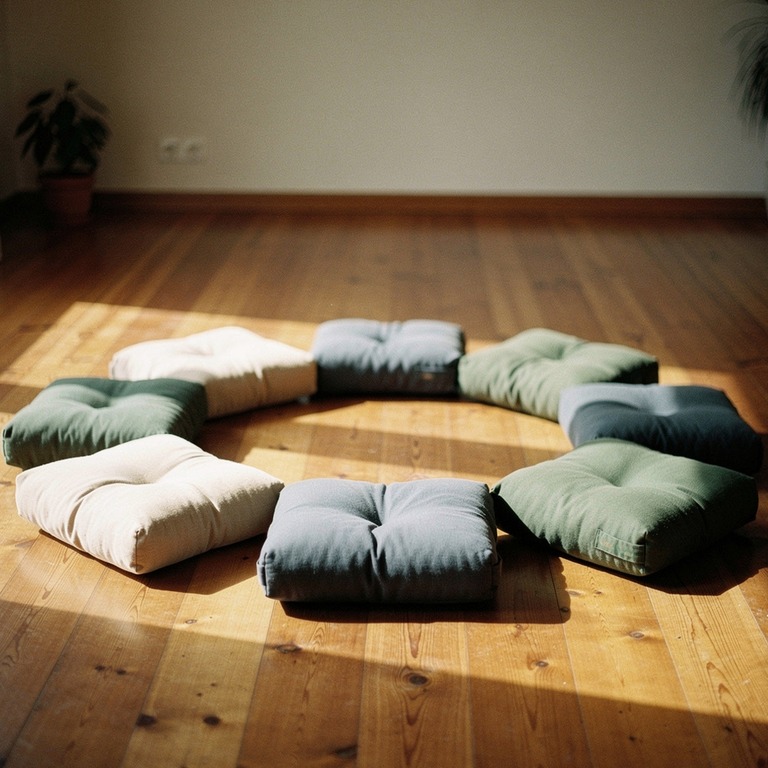
If you've already done a retreat and are reading this on the integration side, meditation might feel different now. Many people come back from ayahuasca or psilocybin ceremonies describing a kind of residual stillness — a wider inner space that wasn't there before. The practice sometimes clicks in a way it never did pre-ceremony. The cushion stops feeling like a chore and starts feeling like a way of staying in touch with what the medicine opened.
This is also where meditation does some of its most important work. The insights from a ceremony fade quickly if nothing holds them. A regular sitting practice is one of the most reliable containers for keeping those insights alive — not by re-living the experience, but by maintaining the quality of attention that lets you notice when old patterns try to creep back in. The medicine shows you the door. Daily practice is how you keep walking through it.

A Quiet Case for Starting Now
If you're in the research phase for a retreat — reading reviews, comparing centres, trying to decide if this is really the moment — one of the most useful things you can do between now and the ceremony is start sitting. Even badly. Even for five minutes. The person who shows up to a retreat with three months of imperfect daily practice behind them is in a meaningfully different position than the one who shows up cold.
And if a retreat isn't on the near horizon, meditation on its own continues to be one of the best investments of time available to a human being. No travel required. No cost. No facilitator. Just you, a chair or a cushion, and a willingness to stop running for a few minutes a day.
Falling in love with meditation isn't a performance or a milestone. It's more like a slow recognition — that you've been looking for something out there that was always, quietly, available in here. For readers who want to pair that practice with the deeper opening a ceremony can offer, a range of curated plant-medicine and meditation-friendly retreats can be browsed on our marketplace here.
Craving More Stories?
Join our ShopAyahuascaRetreats newsletter for the latest updates on thrilling
destinations and inspirational tales, delivered straight to your inbox!
We value your privacy. Your email address will never be shared or published.