 English
 Deutsch
 Français
 Nederlands
 Español
SHOP AYAHUASCA RETREATS BLOG
Cortisol, Stress, and the Case for Plant Medicine in Hormone Healing

Stella Vance
October 28, 2026
Your ultimate guide to discover transforming ayahuasca and psychedelic experiences. Dive into serene destinations and elevate your consciousness to unparalled heights.
Discover Ayahuasca & Psychedelic Retreats NowSearch for ayahuasca & psychedelic retreats
Discover retreats, trainings, and holidays from all over the world
Here's something nobody tells you when you book your first ayahuasca retreat: a surprising number of people arrive not because they're chasing visions, but because their nervous system is cooked. Burned out. Running on cortisol fumes. They've tried the sleep trackers and the magnesium gummies and the breathwork apps, and something still feels wrong under the hood.
And they're not imagining it. Chronic stress rewires hormone systems in ways that take years to show up and years to unwind. Understanding that connection — between stress, cortisol, and the deeper hormonal cascade — is one of the quieter reasons the modern plant medicine and psychedelic retreat world has exploded. Ayahuasca, psilocybin, and other master plants aren't magic hormone pills. But they do interrupt the loop. And interrupting the loop, it turns out, is often the hardest part.
What Chronic Stress Actually Does to Your Hormones
Cortisol gets a bad rap, but it's not the villain. It's the messenger. Your adrenal glands release it when you need to move fast, think fast, or survive something — a sprint to catch a flight, a hard conversation, a near-miss in traffic. The problem isn't that cortisol exists. The problem is that modern life keeps the signal switched on long after the actual threat is gone.
When cortisol stays elevated for weeks or months, it starts leaning on everything else. Estrogen rhythms get wobbly. Thyroid function slows down. Insulin sensitivity drops, which is a polite way of saying you store more weight around your middle no matter how clean you eat. Melatonin production flattens, and suddenly you're that person wide awake at 3 a.m. staring at the ceiling, exhausted but unable to switch off.
Women tend to feel this cascade earlier and more sharply, partly because the reproductive hormone system is especially sensitive to prolonged stress. But nobody is immune. Men just tend to notice different symptoms — low libido, brain fog, a weird persistent irritability they can't trace to anything specific.
The Loop That Won't Break
The cruel part of chronic stress is that it's self-reinforcing. High cortisol disrupts sleep. Bad sleep makes you more reactive the next day. More reactivity means more cortisol. More cortisol means worse sleep. Round and round it goes, often for years, until a person wakes up one morning and realizes they can't remember the last time they felt genuinely rested.
Standard advice helps at the margins. Eat protein with breakfast. Walk after meals. Keep a consistent sleep window. Take ashwagandha. These things work, and I'm not dismissing them. But for people whose nervous systems have been dysregulated for a decade or more — especially those carrying trauma, grief, or unresolved addiction patterns — the margins aren't enough. Something deeper has to shift.
This is where the conversation about plant medicine starts to make sense, not as a replacement for sleep hygiene but as a different category of intervention entirely.
Why Psychedelics and Master Plants Enter the Picture
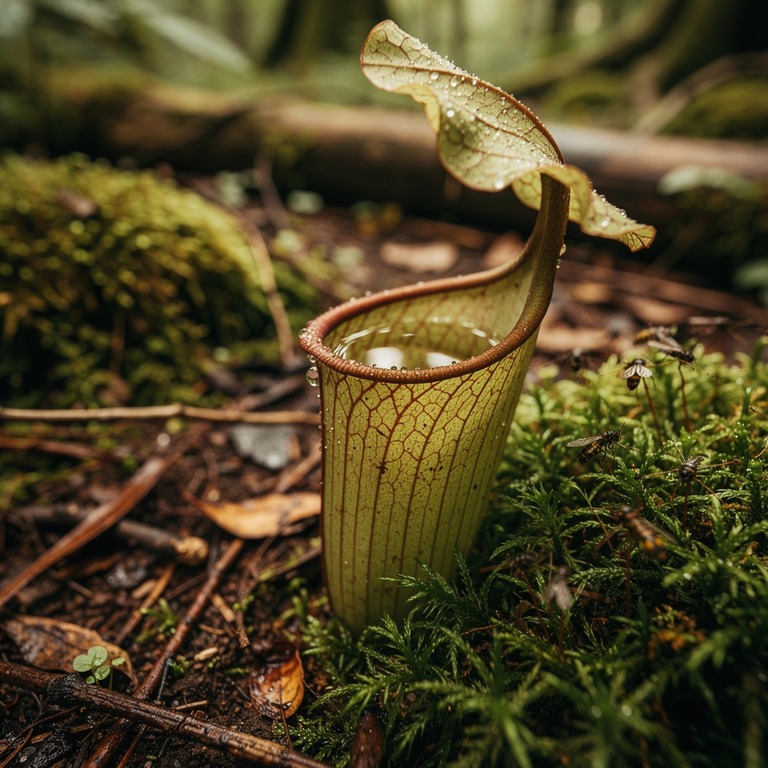
Ayahuasca, psilocybin mushrooms, iboga, and San Pedro are often grouped under the umbrella of master plants — a term that originates in Amazonian and Andean traditions and roughly means plants that teach. People in these lineages don't talk about cortisol or HPA-axis dysregulation. They talk about blockages, susto (soul loss), stagnant energy, grief that never got processed. But if you squint, they're often describing the same territory from a different angle.
Modern research is catching up in its own clumsy way. Studies on psilocybin for depression, MDMA for PTSD, and ibogaine for addiction keep landing on a similar observation: these substances seem to loosen the grip of entrenched patterns. People stop ruminating. They sleep better. Their baseline anxiety drops. For some, cortisol rhythms re-regulate within months of a well-held experience.
Nobody fully understands why. The leading theories involve default-mode network quieting, increased neuroplasticity, and the emotional release that comes from finally processing material the conscious mind has been avoiding. What practitioners who've worked with plant medicine for decades will tell you is simpler: when you feel the thing you've been running from, you stop needing so much cortisol to keep running.
Addiction, Stress, and the Shared Root
Addiction and chronic stress live in the same neighborhood. Both involve dysregulated reward systems. Both involve a nervous system stuck in survival mode. Both tend to produce the same hormonal mess — flat mornings, wired evenings, cravings that feel bigger than willpower.
This is part of why ibogaine clinics in Mexico and Costa Rica have become a quiet pilgrimage site for people trying to break alcohol, opioid, or stimulant dependencies that didn't respond to conventional treatment. Ibogaine is intense — it's a 24- to 36-hour experience that most people describe as grueling rather than pleasant — but it has a documented ability to interrupt addictive patterns and reset underlying neurochemistry. Ayahuasca ceremonies work differently and more gently, often across multiple nights, with a similar underlying effect: the compulsion loosens, the stress baseline drops, sleep returns.
None of this is a cure. People who do the work after a retreat — therapy, lifestyle change, community, continued integration — are the ones who hold the gains. People who treat the ceremony as a one-time fix usually find themselves back where they started within a year.
What to Actually Do If You're Considering a Retreat
If reading this far has you thinking about plant medicine as part of your own stress or addiction recovery, slow down. The decision deserves care. A few things worth sitting with before you book anything:
- Get a physical first. Ayahuasca, ibogaine, and some other medicines interact badly with certain SSRIs, heart conditions, and liver issues. A reputable retreat will screen you. If they don't, that's a red flag.
- Research the facilitators, not just the location. A beautiful jungle lodge means nothing if the people pouring the medicine don't know what they're doing. Look for lineage, references from past participants, and clear safety protocols.
- Plan integration before you go. The weeks after a ceremony are where the real work happens. Line up a therapist, integration coach, or group before you fly home — not after.
- Expect discomfort. Plant medicine isn't a spa weekend. Purging, emotional release, and physical difficulty are part of the experience. People who go in expecting bliss tend to have the hardest time.
- Keep working the basics. Sleep, nutrition, movement, and real human connection matter as much after a retreat as before. The medicine amplifies what you're already building — it doesn't replace it.
The Boring Stuff Still Matters
I'd be doing you a disservice if I made this sound like plant medicine is the answer to a stressed-out, cortisol-flooded life. For most people, most of the time, the unsexy daily practices do more heavy lifting than any ceremony ever will. Consistent sleep. Meals with protein and fiber. Time outside. Not scrolling until 1 a.m. Saying no to things that drain you.
Where plant medicine earns its reputation is in the cases where the unsexy stuff has stopped being enough — where someone has done the work, read the books, taken the supplements, and still can't quite break out of the pattern. In those cases, a well-chosen retreat can be the pivot. Not because the plant did it alone, but because it created an opening the person was then willing to walk through.
If something in this resonates and you're curious about taking the next step, a range of thoughtfully vetted ayahuasca and plant medicine retreats can be browsed on our marketplace here. Take your time with it. The right retreat tends to find you when you're actually ready — not a moment sooner.
Craving More Stories?
Join our ShopAyahuascaRetreats newsletter for the latest updates on thrilling
destinations and inspirational tales, delivered straight to your inbox!
We value your privacy. Your email address will never be shared or published.