 English
 Deutsch
 Français
 Nederlands
 Español
SHOP AYAHUASCA RETREATS BLOG
Ayahuasca Lessons That Actually Stick: What the Vine Teaches You

Finn Ashton
July 25, 2026
Your ultimate guide to discover transforming ayahuasca and psychedelic experiences. Dive into serene destinations and elevate your consciousness to unparalled heights.
Discover Ayahuasca & Psychedelic Retreats NowSearch for ayahuasca & psychedelic retreats
Discover retreats, trainings, and holidays from all over the world
Ask anyone who's sat with ayahuasca more than once what they actually learned, and you'll get a pause. A long one. Not because they don't remember — the memories are usually stitched into them like weather into stone — but because the real lessons are hard to say out loud without sounding either grandiose or embarrassingly simple. The vine doesn't hand you a TED talk. It hands you a few unshakeable truths, often the same ones your grandmother tried to tell you, but this time you can't argue.
This piece is for the person quietly considering an ayahuasca retreat, wondering whether the effort and money and vulnerability of it all actually yields anything durable. So instead of describing the visuals or the purge (both real, both overhyped in different directions), let's talk about what tends to stay with people. The lessons that survive the flight home. The ones that keep working on you for months, sometimes years.
The First Lesson: You Are Not Your Thoughts
This one gets thrown around in meditation circles until it sounds like a fridge magnet. Ayahuasca has a way of making it visceral. Somewhere in the middle of a ceremony — usually when you're convinced you've made a terrible mistake and will never feel normal again — the mind stops being the thing you look through and becomes the thing you look at. The internal monologue that has been narrating your life since childhood suddenly appears as a separate object. Loud. Repetitive. Often kind of a jerk.
The interesting part isn't the observation itself. Plenty of contemplative traditions offer the same insight without the plant. The interesting part is that ayahuasca doesn't let you look away. You sit with that noisy internal roommate for hours. You notice how much of what it says isn't even yours — it's a parent's voice, an ex's voice, a childhood teacher's voice, an advertising jingle from 1997. And then, sometimes, underneath all of it, something quieter. Something that was there before the voices moved in.
People come home from a psychedelic retreat and try to describe this and end up sounding like a spiritual bumper sticker. That's fine. The lesson isn't the sentence — it's the felt sense that when your brain starts spiraling at 2 a.m., there's now a small, stubborn part of you that knows the spiral isn't the whole story.
The Second Lesson: Your Body Has Been Trying to Tell You Something
Most first-timers arrive at an ayahuasca ceremony thinking they're going to have a big cinematic vision. Many do. But a surprising number of people report that the real work happened in their bodies — an old shoulder ache that suddenly had a story attached to it, a knot in the gut that turned out to be tied to a specific memory, a chest tightness that finally let go after a decade of quiet occupancy.
Plant medicine tends to make the body-mind boundary look silly. You feel where you've been holding things. Grief in the hips. Rage in the jaw. Whatever the map is for you, the vine seems to know it. Some of what gets called "purging" isn't really about the ayahuasca brew itself — it's about the body finally being given permission to move something it has been carrying for years.
The practical takeaway that survives the retreat: the body keeps score, and it's not subtle about it. People who come home from ceremony often start paying attention to somatic signals they used to ignore — hunger, fatigue, the tight-chested feeling before a meeting they don't want to take. This alone, without any other insight, tends to change how people live.
The Third Lesson: Love Is Not a Feeling, It's a Direction
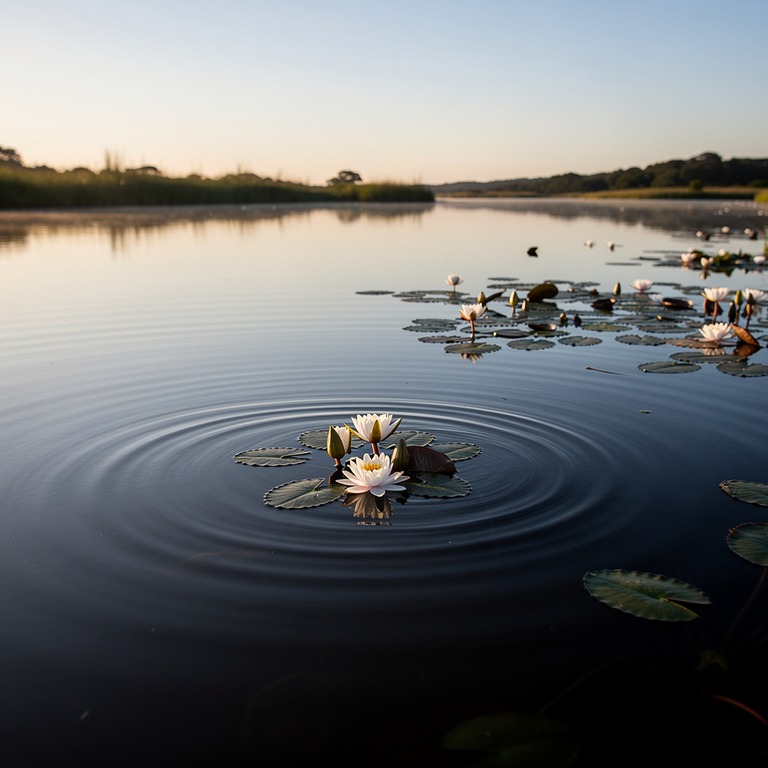
Here's where it gets uncomfortable to write about without cringing. Nearly everyone who sits with ayahuasca more than a few times ends up with some version of the same message: love is the point. Not romantic love. Not the greeting-card kind. Something more like a fundamental orientation — toward yourself, toward other people, toward whatever mess you're in.
What's strange is that this doesn't arrive as an idea. It arrives as an experience of already being inside it. And when it fades — because it does fade, the glow doesn't last forever — what remains is a kind of instruction. A direction to walk in when you have no other information. Be kinder here. Forgive that. Stop performing. Call your mother.
You don't have to buy any metaphysics to make use of this. The message works fine as a purely practical compass. When in doubt, choose the more loving option. It's shocking how often that clarifies things.
How Do These Lessons Actually Show Up Later?
People ask this all the time when they're researching whether to book a retreat. They want to know: does anything actually change, or do you just have a wild week in the jungle and go back to your life? The honest answer is that both happen, and which one you get is mostly up to what you do in the weeks and months after.
Here's what tends to stick, based on hundreds of conversations with people who've done the work:
- A slower reactivity. The gap between something happening and your response to it gets a little wider. Not always. But often enough that people around you notice before you do.
- A quieter relationship with fear. Ayahuasca puts you through enough small terrors in one night that regular-life fears start to feel more negotiable.
- Less patience for bullshit. Your own, other people's, the culture's. This can be inconvenient. It can also be the beginning of leaving jobs and relationships that were slowly killing you.
- A working relationship with grief. Not resolution — grief doesn't resolve. But a way of carrying it that doesn't require you to numb out.
- Curiosity about master plants and their traditions. Many people who start with ayahuasca eventually find their way to San Pedro, to psilocybin, to kambo, or deeper into the indigenous frameworks that hold these medicines. Not always. But often.
What the Vine Does Not Do
It's worth saying this plainly, because retreat marketing tends to skip it. Ayahuasca does not fix you. It does not erase trauma. It does not make you a better partner overnight or cure your addiction while you sleep. What it seems to do — for people who take it seriously and integrate carefully — is show you the material you've been avoiding, with unusual clarity, and give you a felt sense that change is possible.
The rest is up to you. That's the part nobody wants to hear when they're scrolling retreat websites at midnight, hoping for rescue. Plant medicine for addiction, for depression, for the low-grade sense that your life isn't the one you were supposed to be living — it can absolutely help. There's real research now on ayahuasca and depression, on ibogaine and opioid dependence, on psilocybin and end-of-life anxiety. The healing is real. It's just not automatic.
If you're weighing an ayahuasca retreat right now, the most useful thing you can do isn't read another article about what it feels like. It's ask yourself whether you have the support around you — a good therapist, a few honest friends, some space in your calendar — to actually receive whatever comes up. If the answer is no, work on that first. The medicine will still be there.
A Note on Choosing Where to Sit
The single biggest variable in whether a psychedelic retreat helps you or harms you is who's holding the space. Not the location. Not the amenities. Not the Instagram aesthetic. The facilitators. Their training, their lineage, their ethics, how they handle a hard night, whether they're around for you afterward.
Ask them how many ceremonies they've served. Ask what they do when someone has a psychological crisis mid-ceremony. Ask about medical screening — good centers screen carefully for SSRIs, cardiac conditions, and psychiatric history. Ask about integration support after you leave. If any of these questions get a vague or defensive answer, keep looking. There are more retreats than there used to be, and the quality range is enormous.
For readers who want to take this further, a range of vetted ayahuasca and plant-medicine retreats can be browsed on our marketplace here. Whatever you decide, decide slowly. The vine has been around for a very long time, and it isn't in a hurry.
Craving More Stories?
Join our ShopAyahuascaRetreats newsletter for the latest updates on thrilling
destinations and inspirational tales, delivered straight to your inbox!
We value your privacy. Your email address will never be shared or published.